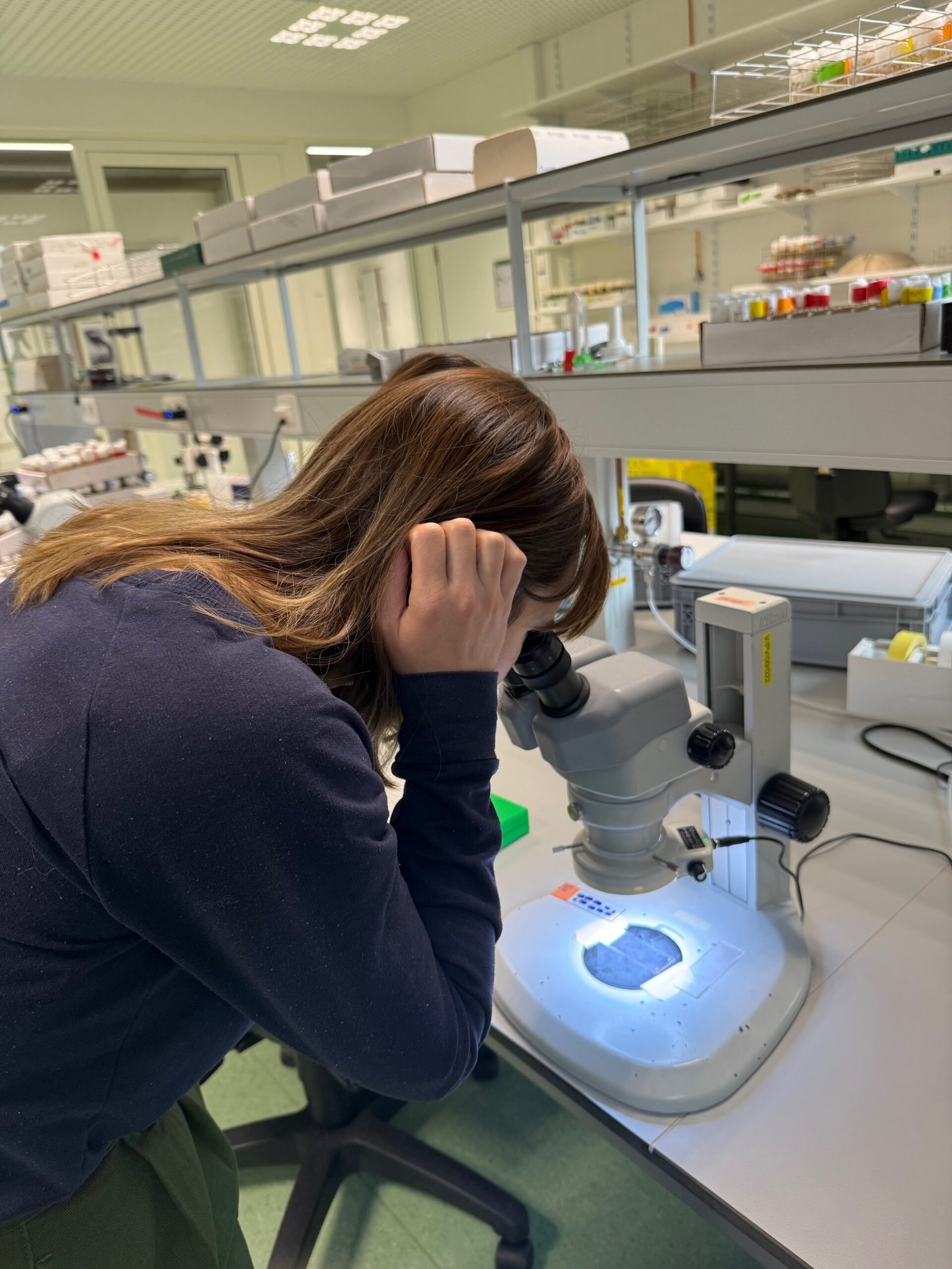
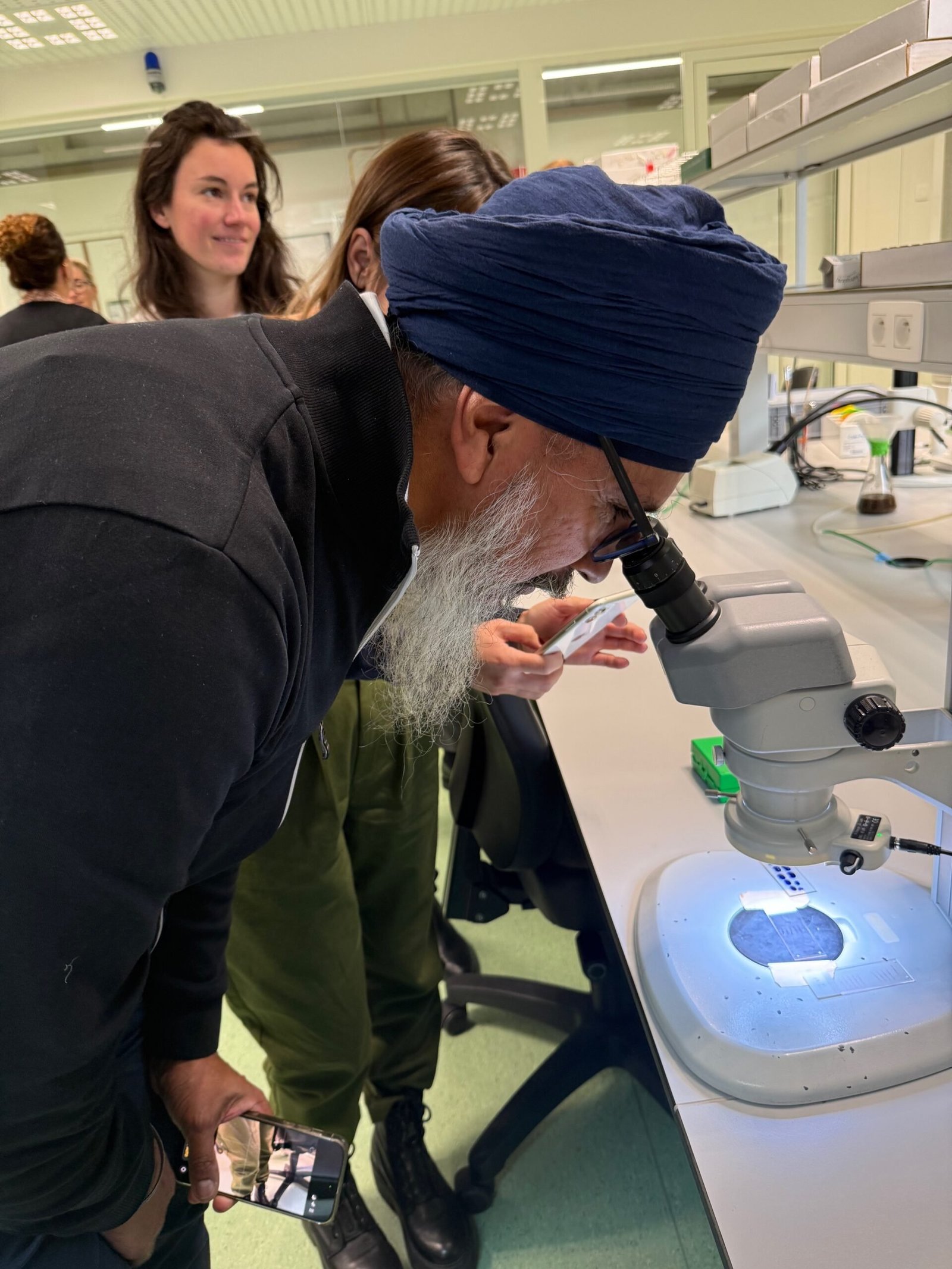
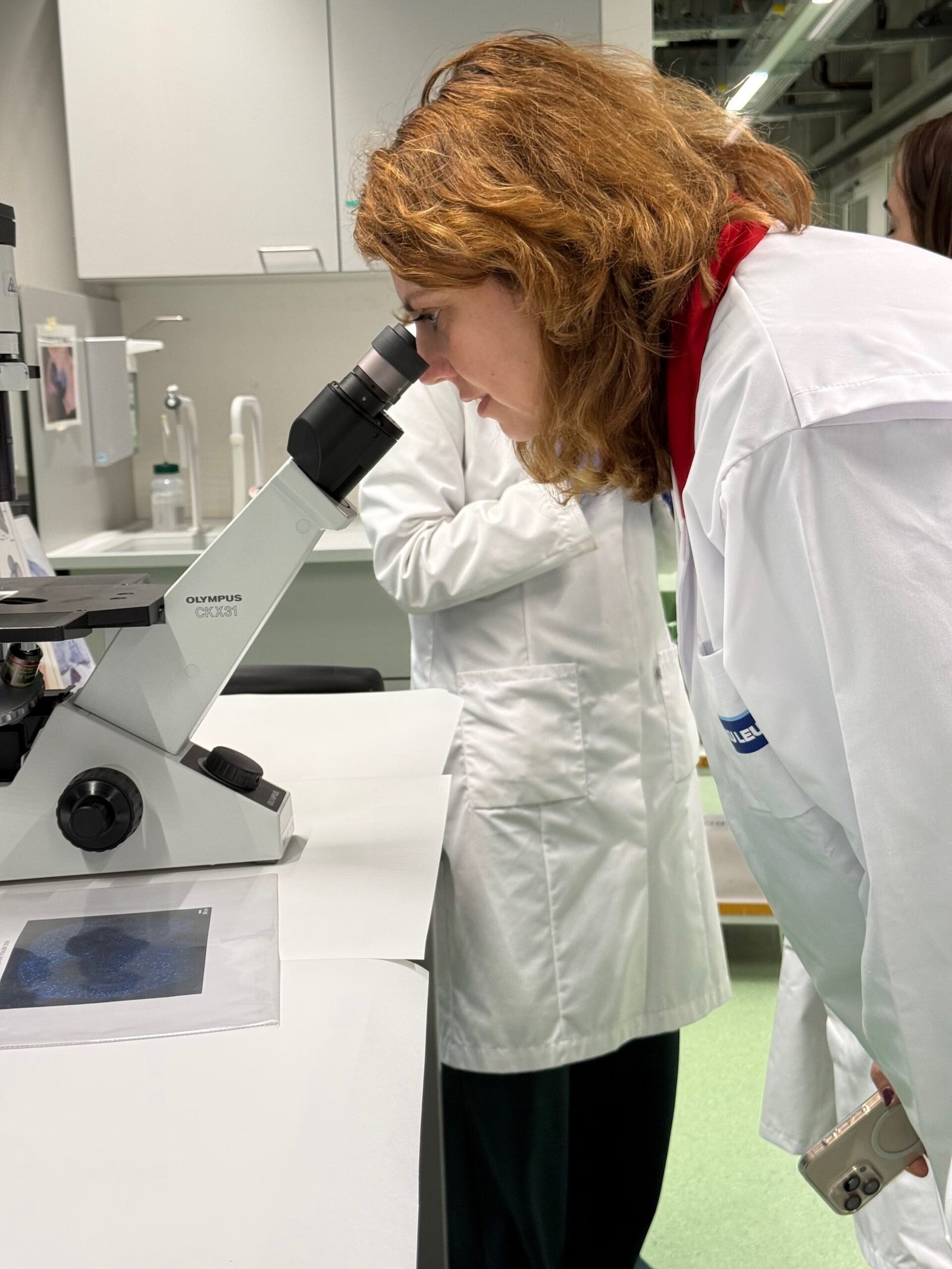
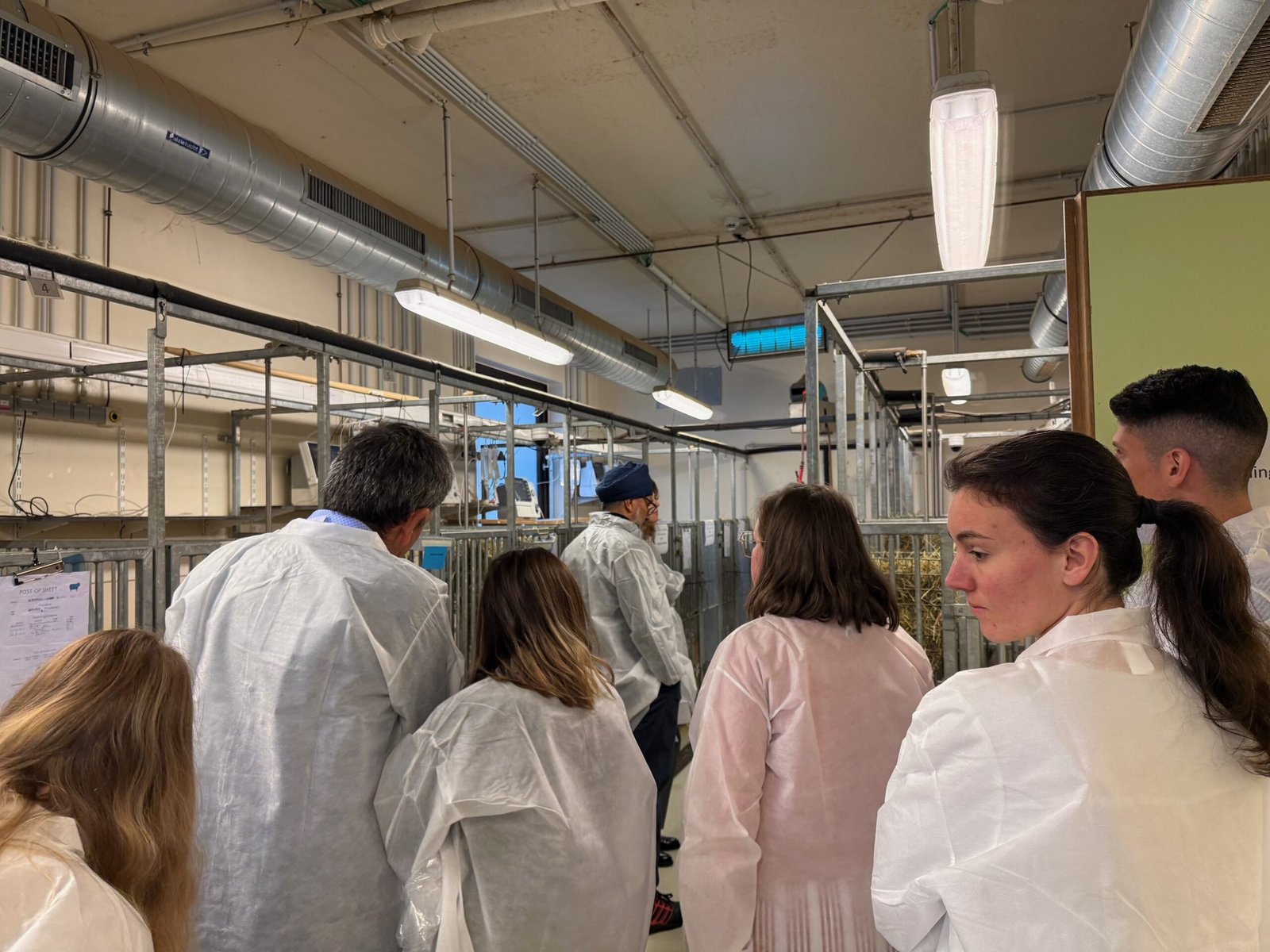
Through direct engagement and open dialogue, patients gain first-hand insight into how research leads to new treatments that improve lives, while researchers gain first-hand knowledge of patients’ lived experiences, helping to increase the relevance and quality of biomedical research.
A shared journey in research
The Patient Discovery Project is a core EARA initiative designed to strengthen dialogue between patients, patient organisations and the biomedical research community. It aligns closely with EARA’s mission to provide accurate, evidence-based information about the role of animal research and to promote openness, transparency and trust in science.
By inviting patients and their families into research environments, the project offers a clear and honest view of how biomedical research works, why animals are still needed when no viable alternatives exist, and how high ethical and welfare standards are applied. This helps increase the relevance of research, align scientific work with societal expectations and real-world needs and ultimately strengthen the quality and impact of biomedical research.
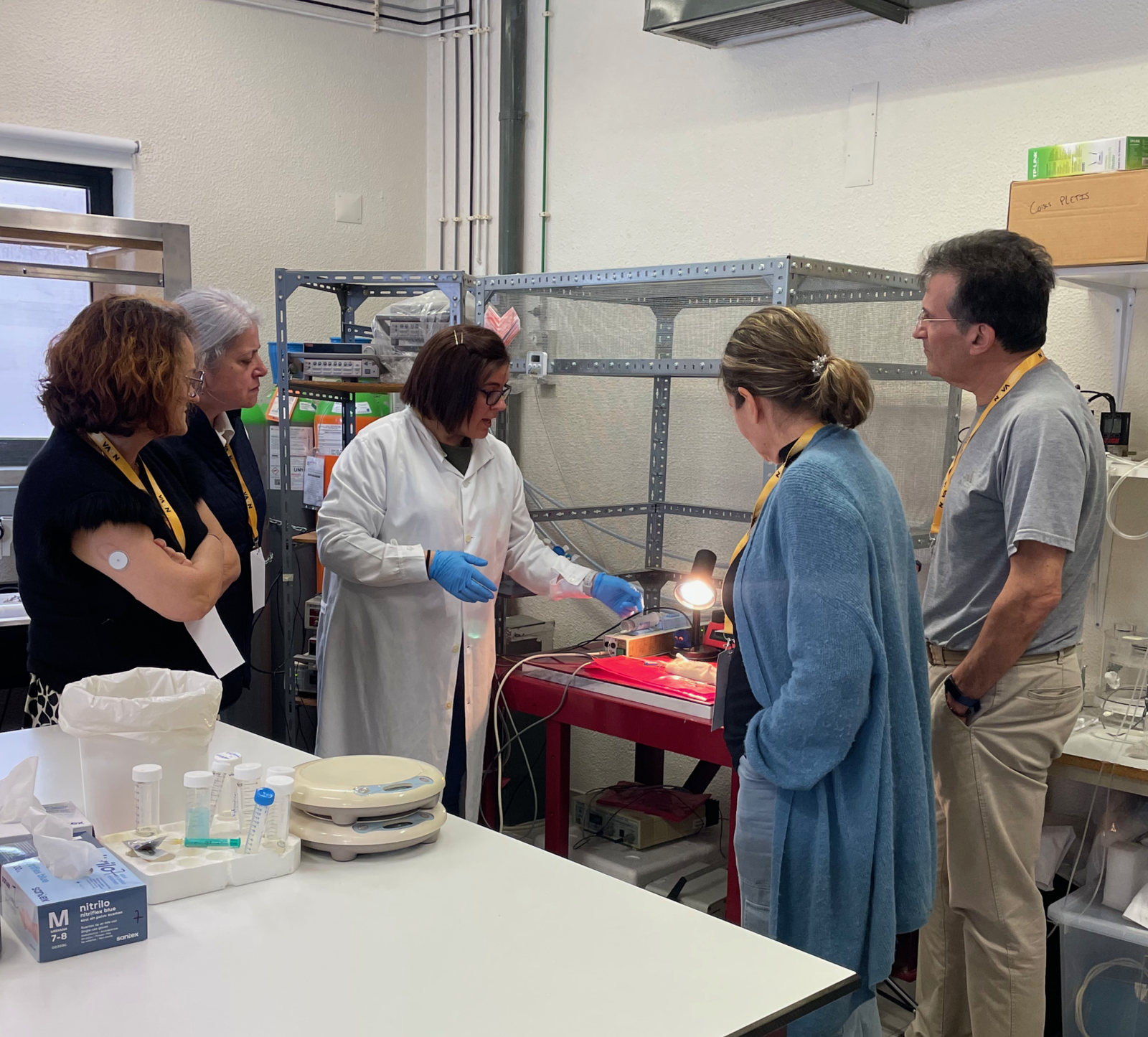
Benefits for participants
A deeper understanding of the research process and its ethical framework
Direct interaction with scientists, clinicians and animal care staff
The ability to act as informed voices within their communities and in public debate
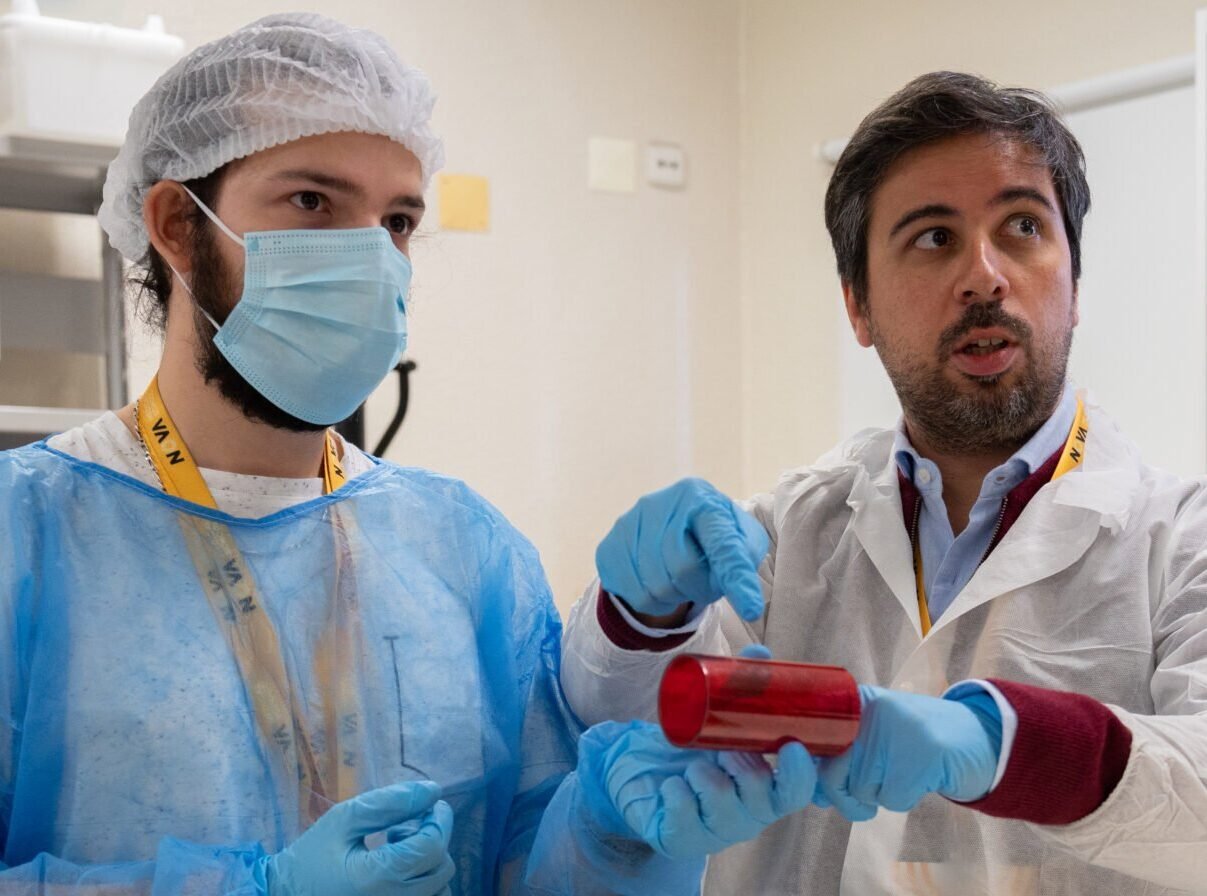
Benefits for researchers
First-hand insight into patients’ lived experiences, priorities and unmet needs
Increased research relevance through closer alignment with societal expectations
Improved research quality by integrating patient perspectives into study design and communication
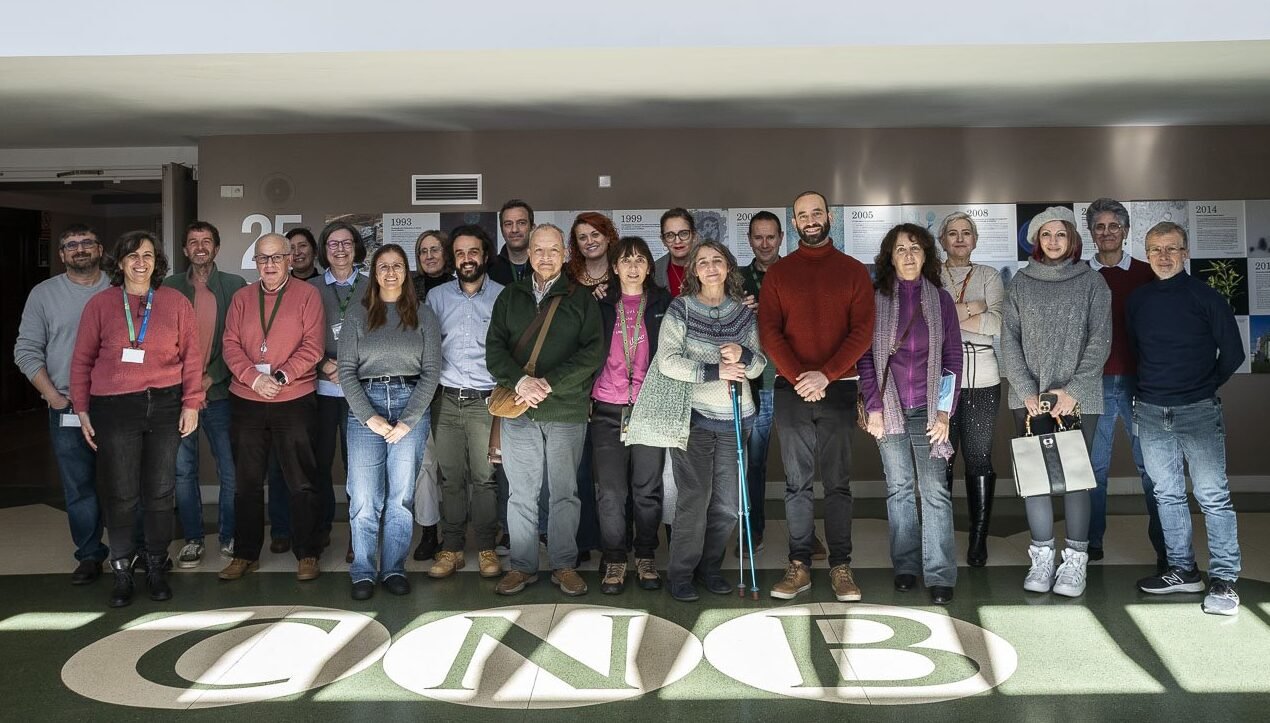
Benefits for organisations
Stronger trust and transparency between institutions and the public
Enhanced institutional openness and credibility around the use of animals in research
How can you join the Patient Discovery Project?
EARA is expanding the Patient Discovery Project across Europe, building on successful Discovery Days held in the Netherlands, Portugal, Belgium and Spain. The project offers a structured way to connect patients, researchers and institutions through transparent, meaningful engagement.
You may be a good fit if you:
- Are a researcher or research institution involved in basic or applied biomedical research
- Work with animals and/or new approach methodologies (NAMs) to answer scientific or medical questions
- Are committed to transparency and openness about the use of animals and NAMs in research, including ethical standards and welfare practices
- Are interested in strengthening dialogue with patients and the public
- Collaborate with a patient organisation or advocacy group
EARA offers:
- Support in designing and delivering a Patient Discovery Day
- Help connecting researchers with relevant patient organisations
- Guidance on transparent communication around research, ethics and animal welfare
- Visibility through EARA’s European network and communication channels
If you are interested in hosting a Discovery Day or joining the Patient Discovery Project, please contact Inês Serrenho (iserrenho@eara.eu)
The EARA Patient Discovery Project is an innovative and crucial step in bridging the gap between medical research and patients. By providing a clear and honest understanding of why animal research remains essential to developing new treatments and scientific progress, this project fosters informed dialogue and strengthens vital trust between researchers and those who stand to benefit most—patients and their families.

What are Discovery Days?
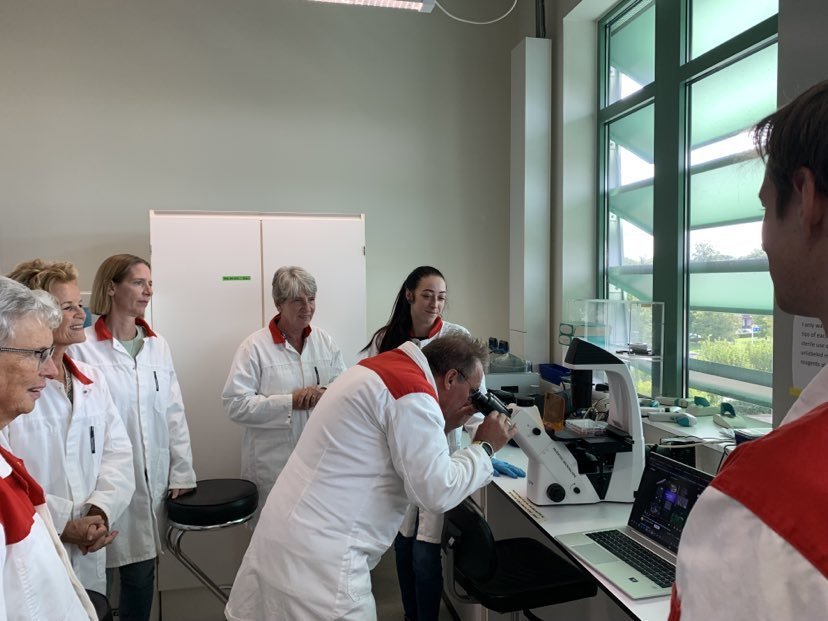
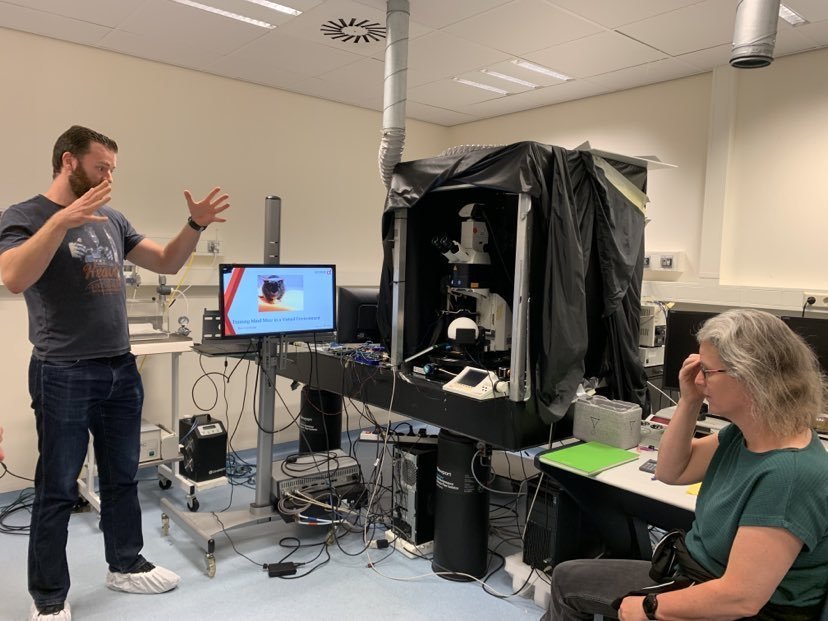
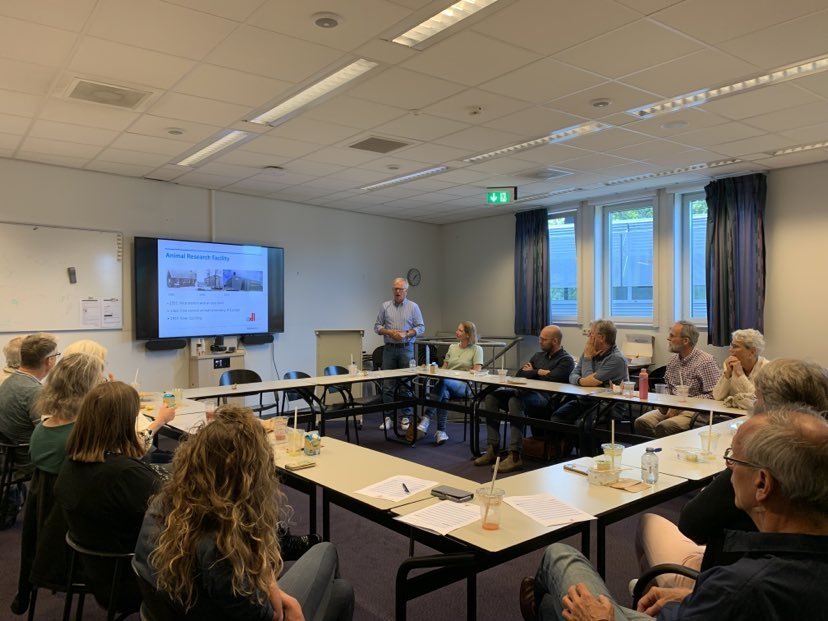
During a Discovery Day, participants attend short talks by researchers, visit laboratories and research facilities, and observe different research methods in practice. The day also includes open discussions and Q&A sessions, allowing participants to ask questions, share experiences and engage directly with the scientists.
Across all past Discovery Days, a common theme has emerged: informed engagement builds trust. Facility visits, transparent discussions and direct observation help demystify research, dispel misconceptions and highlight the care, expertise and responsibility that underpin animal research. Patients become active contributors to the research ecosystem — they become important disseminators of information, able to shape public opinion, influence policy and guide research priorities.
Patients’ voices ensure that biomedical research remains focused on what truly matters – improving lives, without compromising the highest scientific standards and animal welfare.
What are our major achievements so far?
- Increased patients’ knowledge and understanding of how animals and NAMs are used together across the research process
- Greater trust in researchers and institutions, particularly regarding animal welfare standards and responsible selection of experimental methods and models
- Strong appreciation for first-hand access to research facilities that are not usually accessible to the public
- Positive impact on researchers, who report improved understanding of patients’ perspectives
- Creation of a growing, engaged community of informed patients, laying the foundation for a Patient Advocacy Network, to move from one-off Discovery Days to sustained involvement in dialogue, advocacy and contributions to research and policy at national and European levels
2026
Long Covid
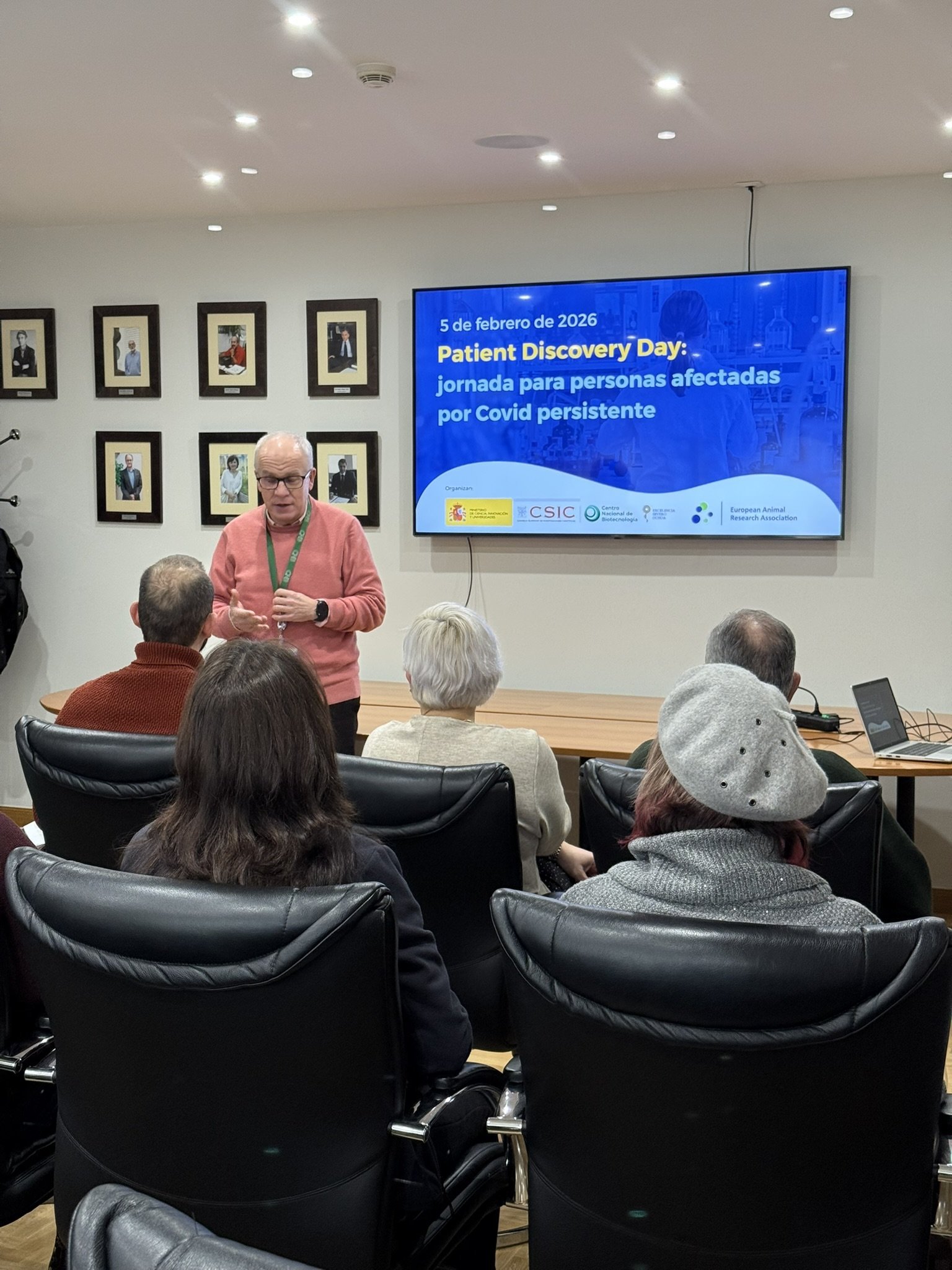
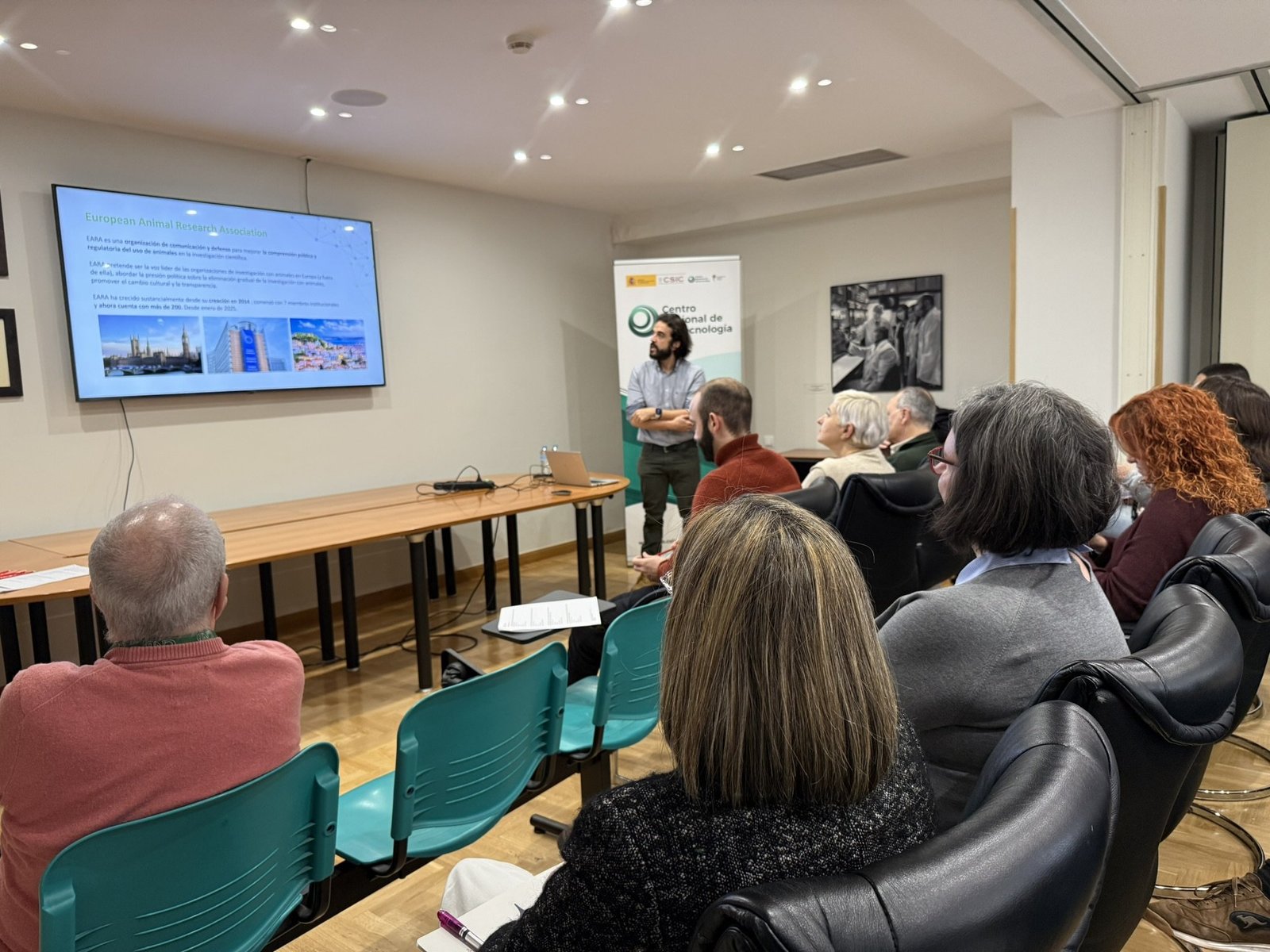
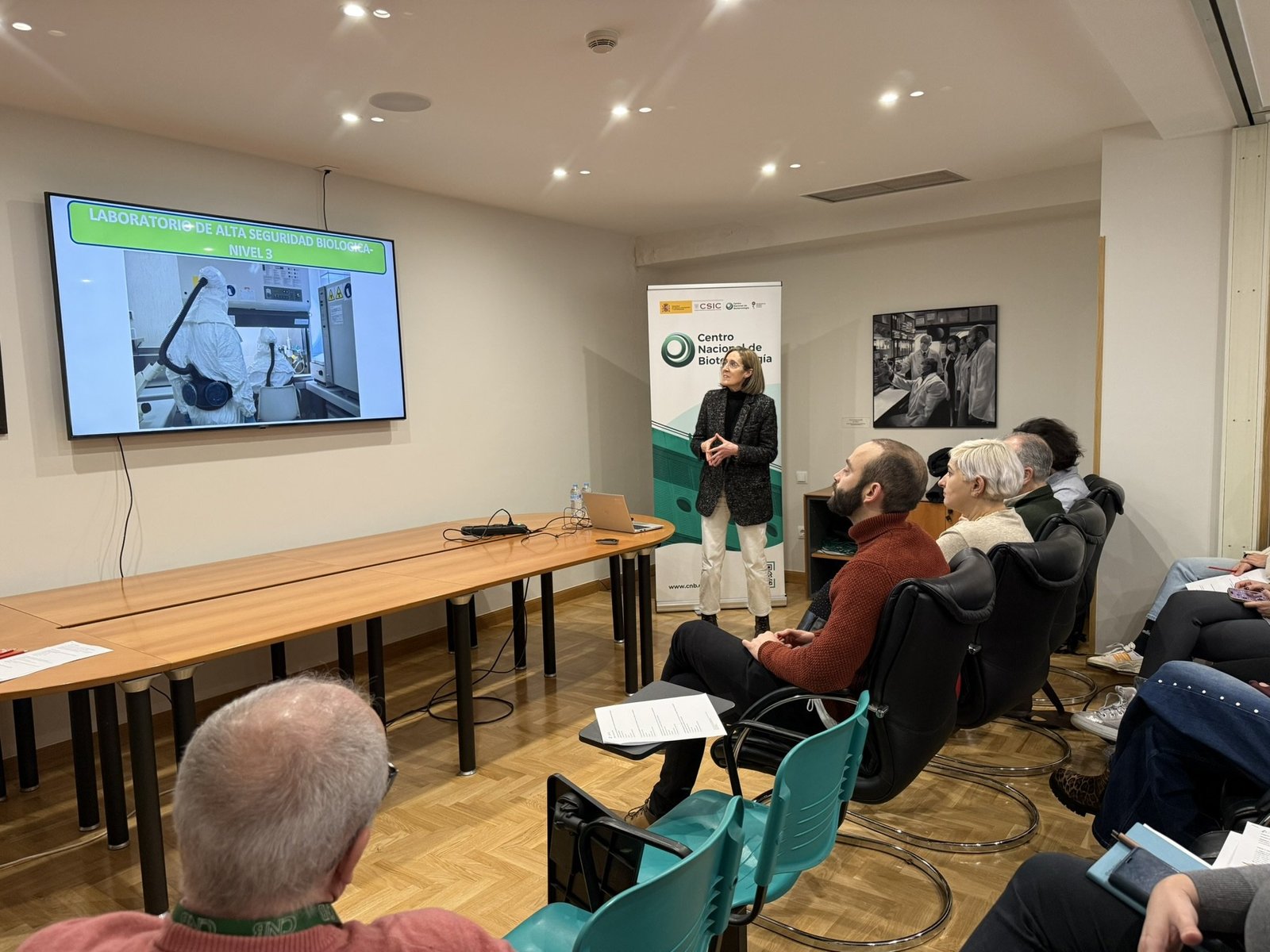
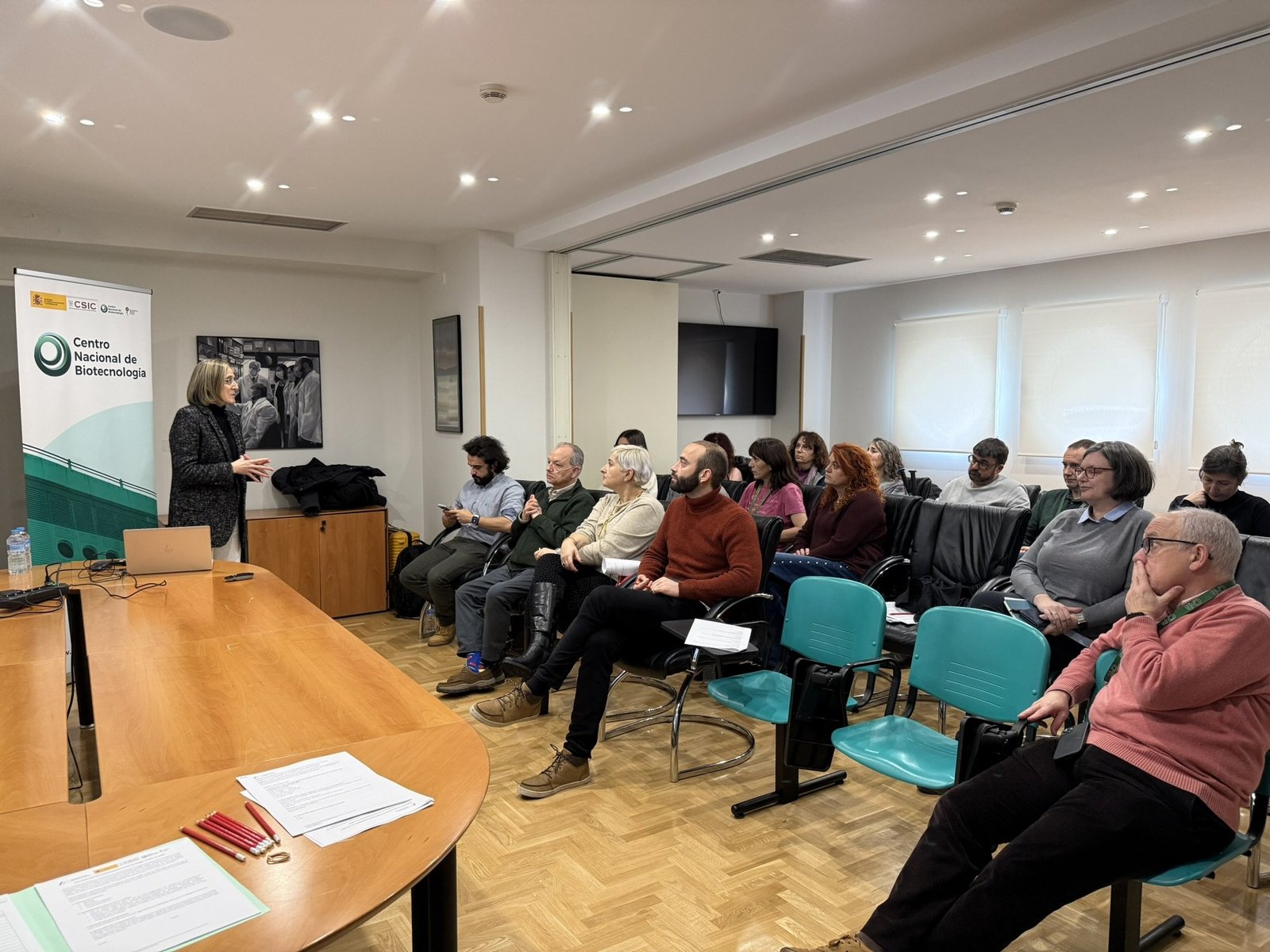
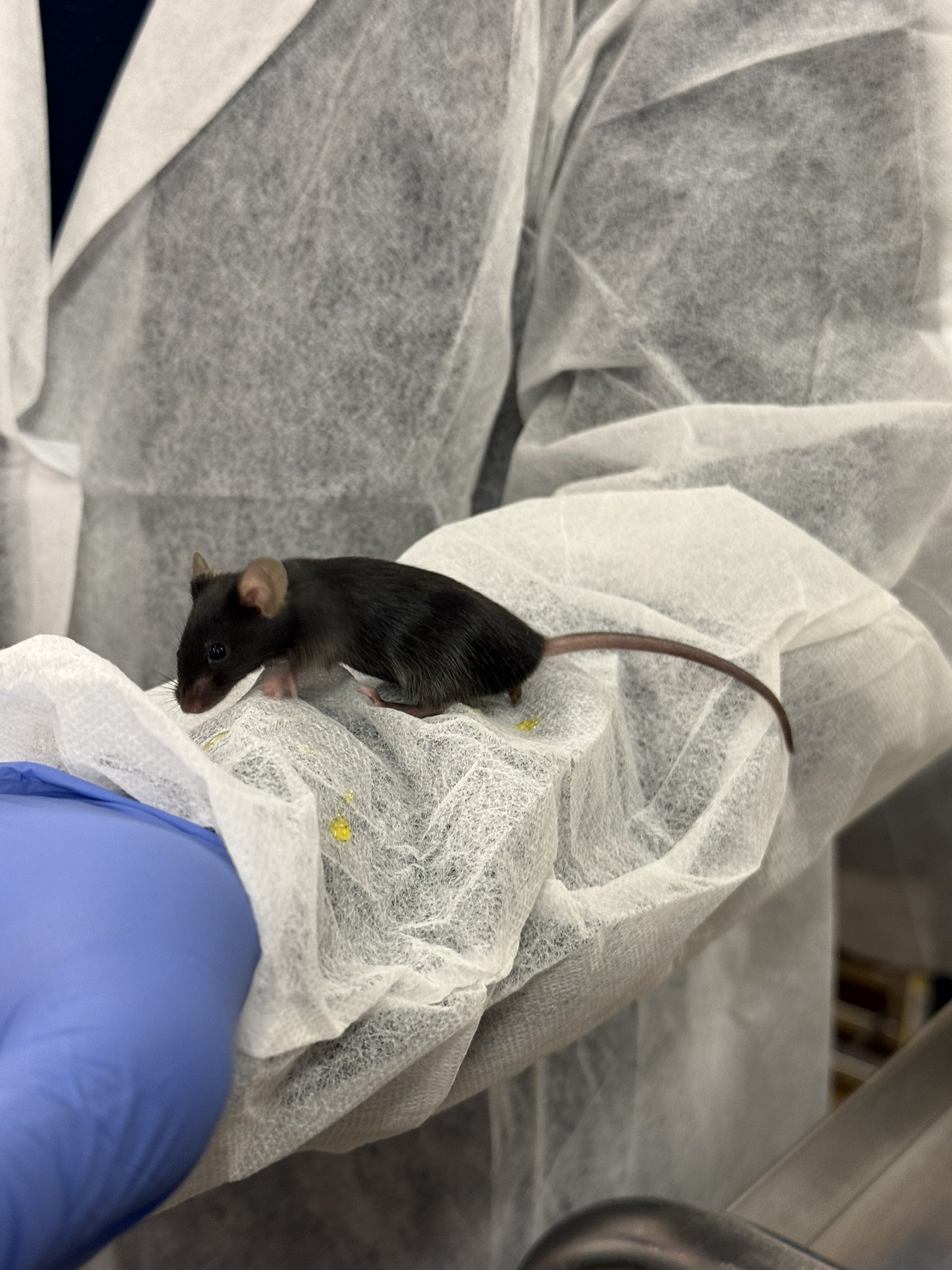
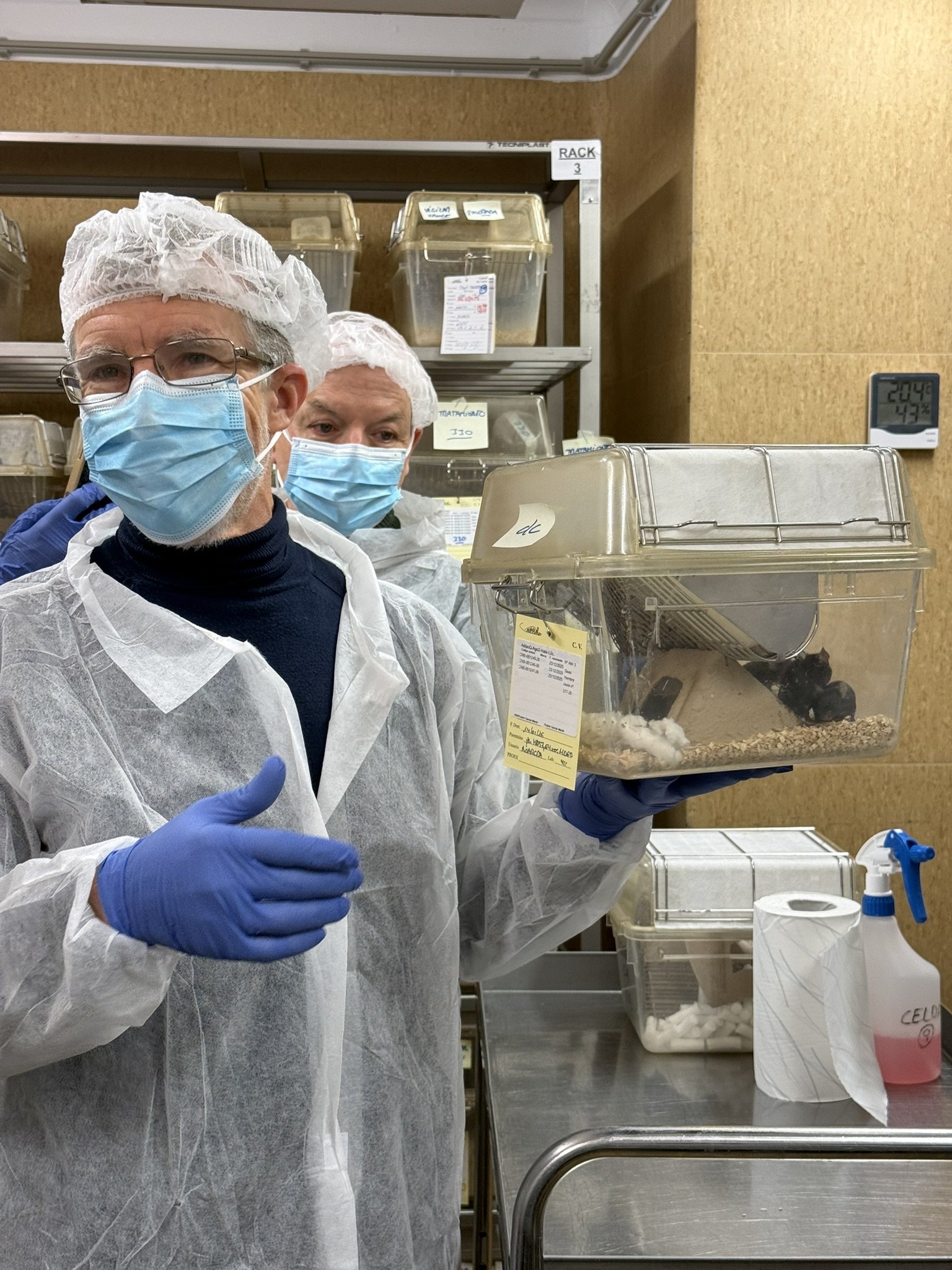
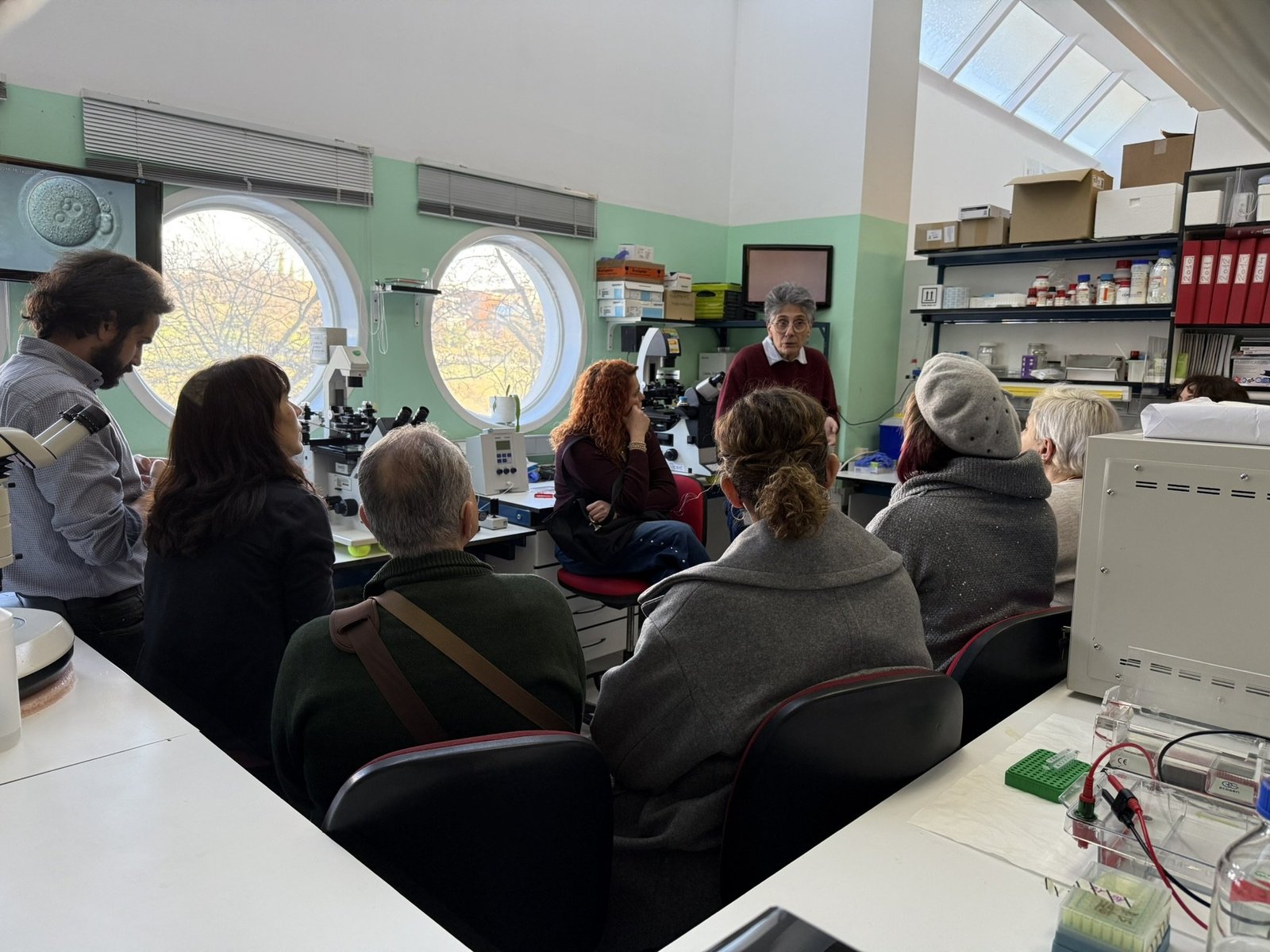
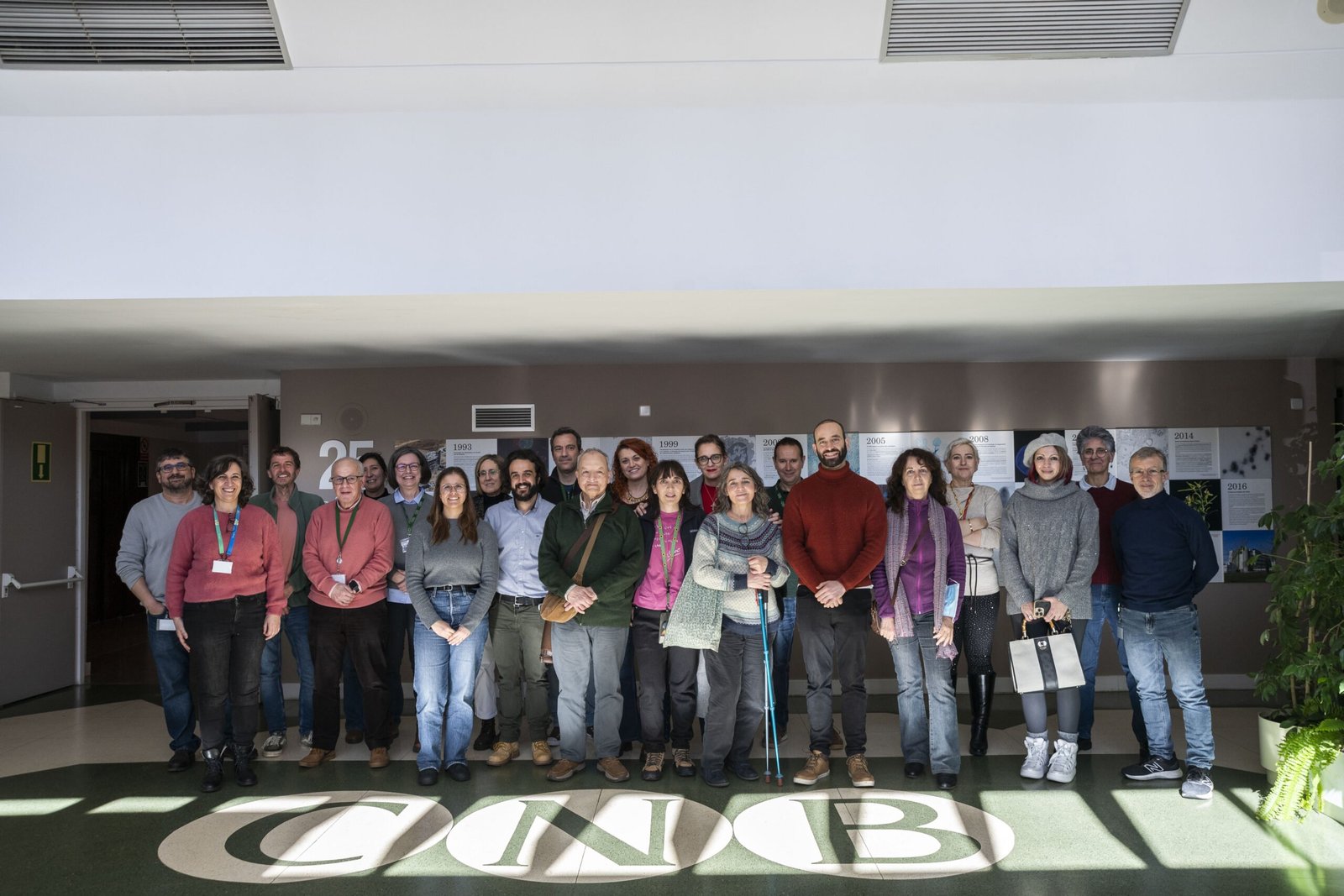
In February 2026, EARA and EARA member National Centre for Biotechnology (CNB-CSIC) hosted the first Patient Discovery Day in Spain in collaboration with the Madrid Long Covid Association (AMACOP). The event brought together researchers and people living with long Covid to explore how biomedical research, including the ethical use of animals, contributes to understanding persistent Covid symptoms and developing future therapies.
The programme included:
– Presentations from CNB-CSIC researchers on long Covid biology, viral persistence and therapeutic strategies, including how genetically modified mice support research
– A guided visit to the animal facility, explaining housing standards, welfare monitoring and veterinary oversight
– A tour of the transgenesis and genetic editing laboratories developing specialised animal models for Covid-19 research
– Open discussion sessions where participants shared personal experiences, helping researchers contextualise symptoms and research priorities
The day concluded with an informal networking session, reinforcing transparency, trust and collaboration between patients and scientists.
After the visit:
– 90% said their views on animal research changed
– 90% believed researchers prioritise animal welfare
– 100% recognised the medical impact of animal research
– 90% said they would not support slowing medical progress to reduce animal use
– 90% supported institutional transparency about animal research
2025
Brain diseases
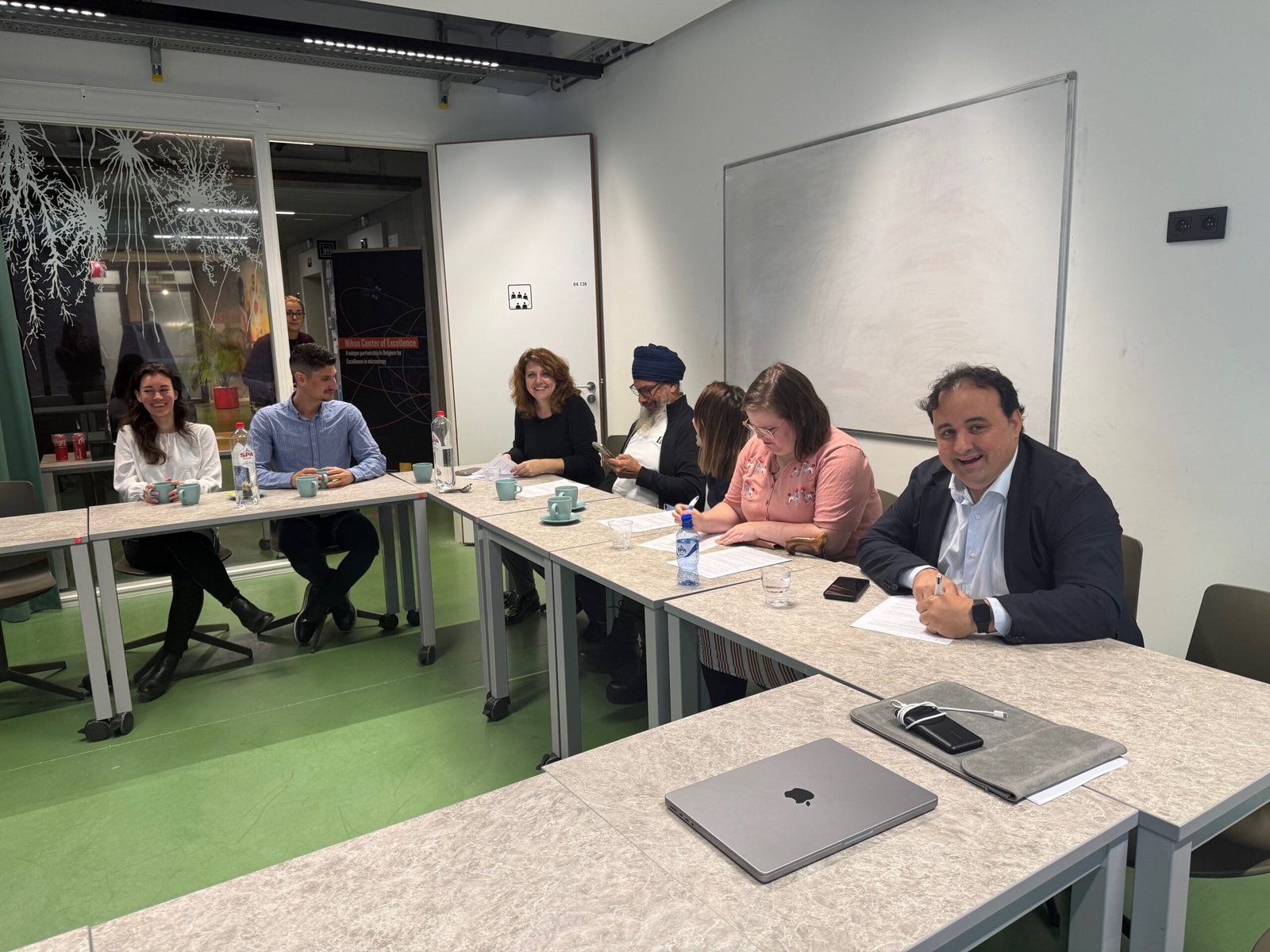
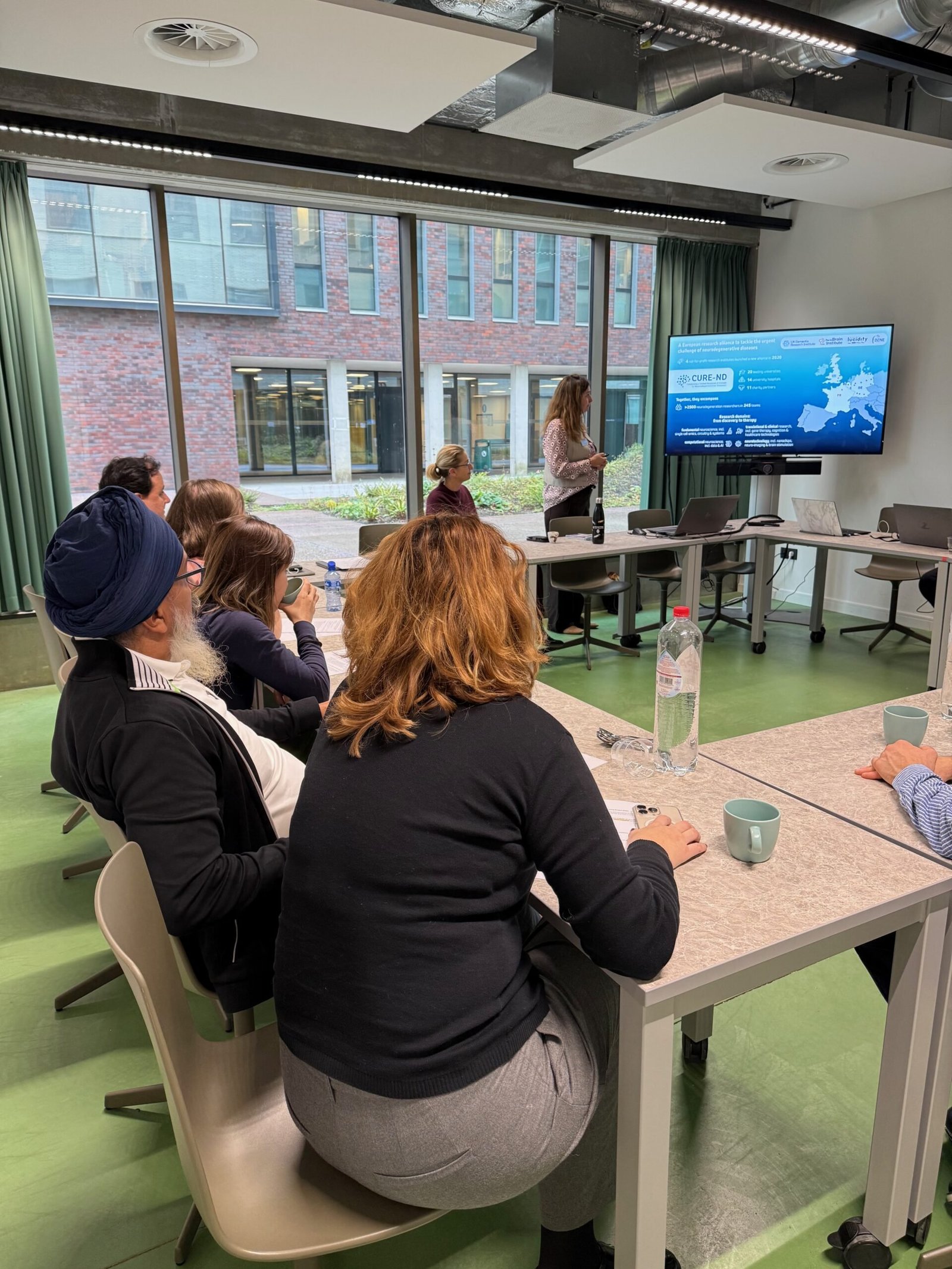
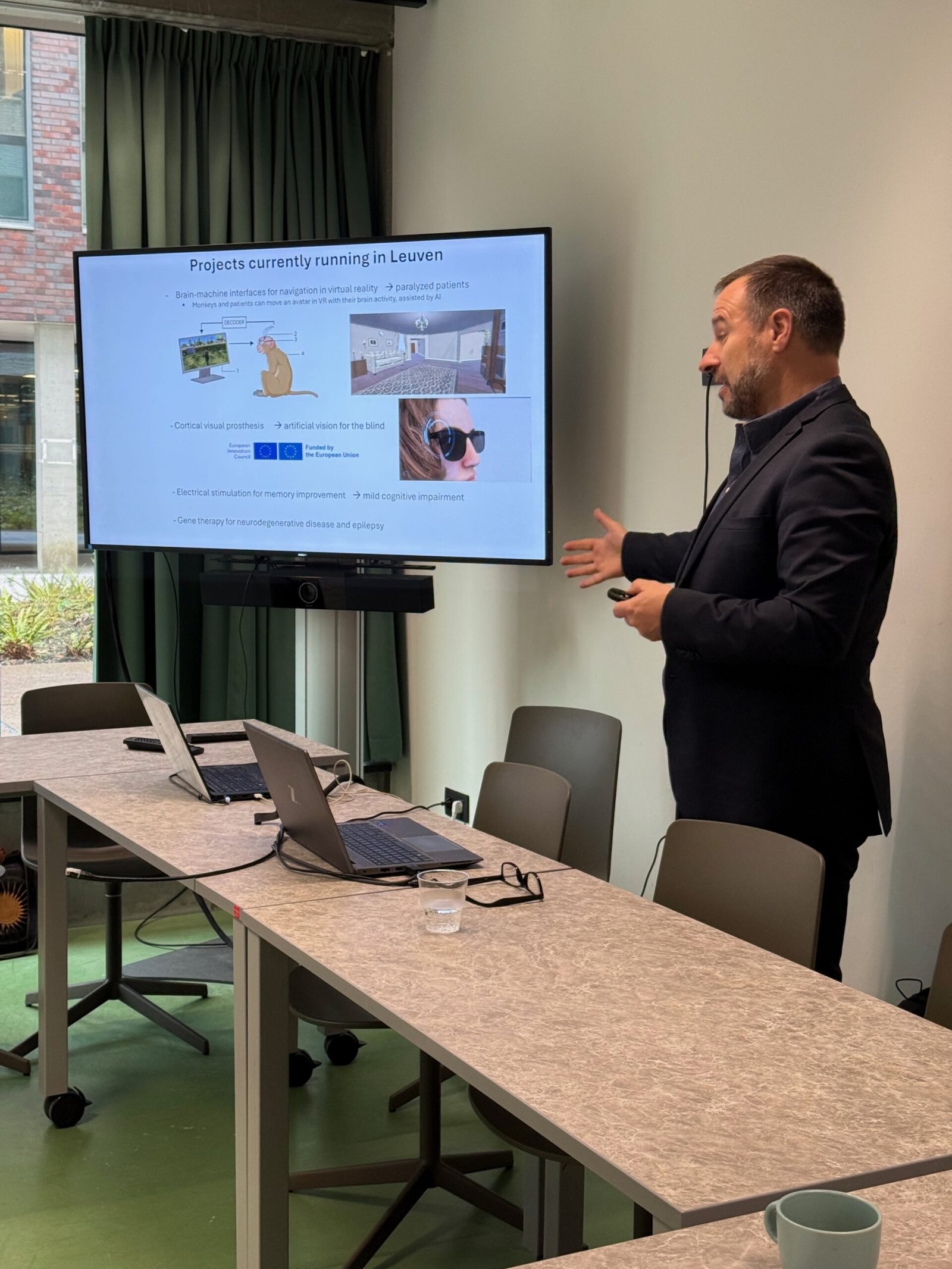
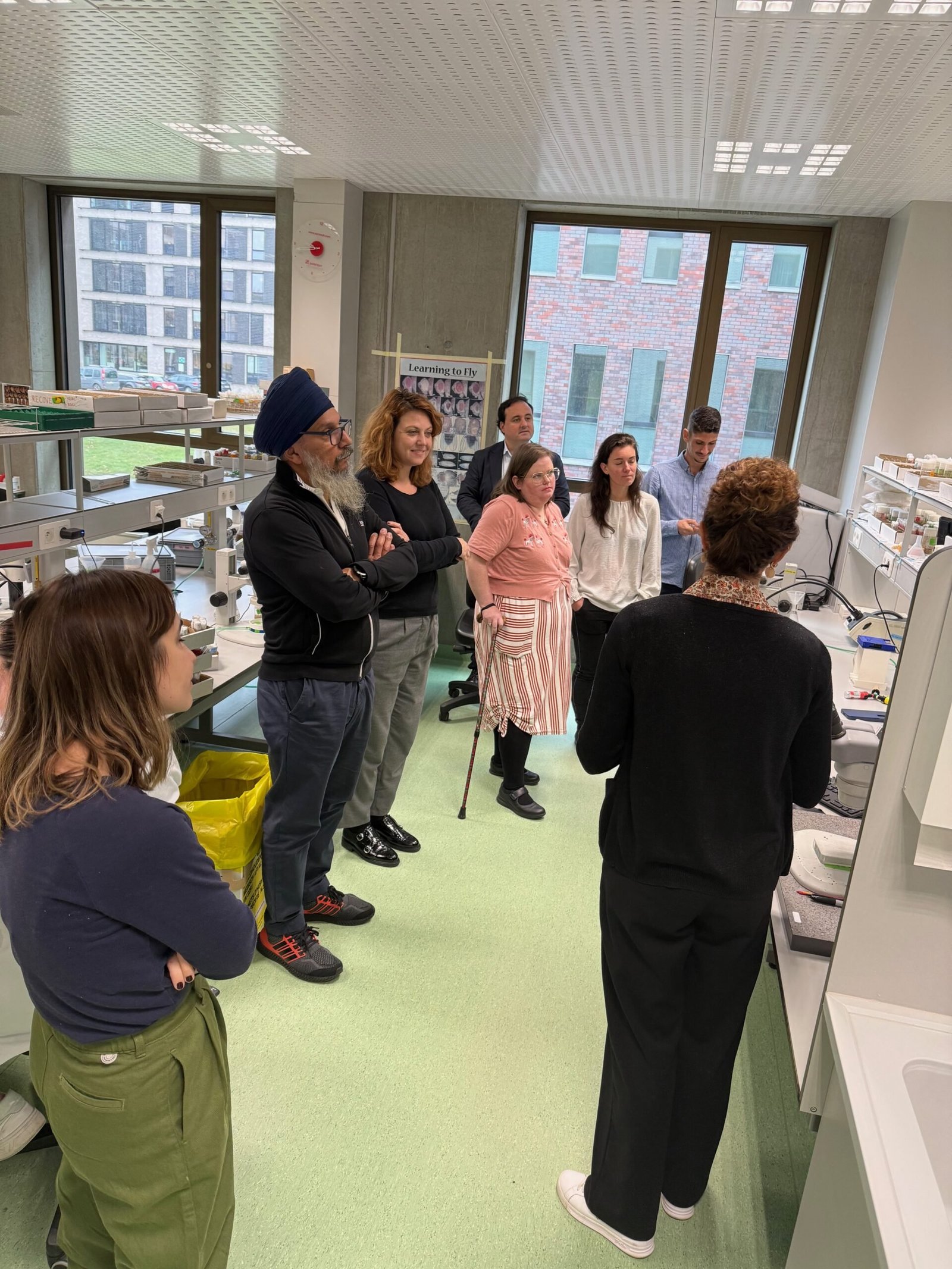
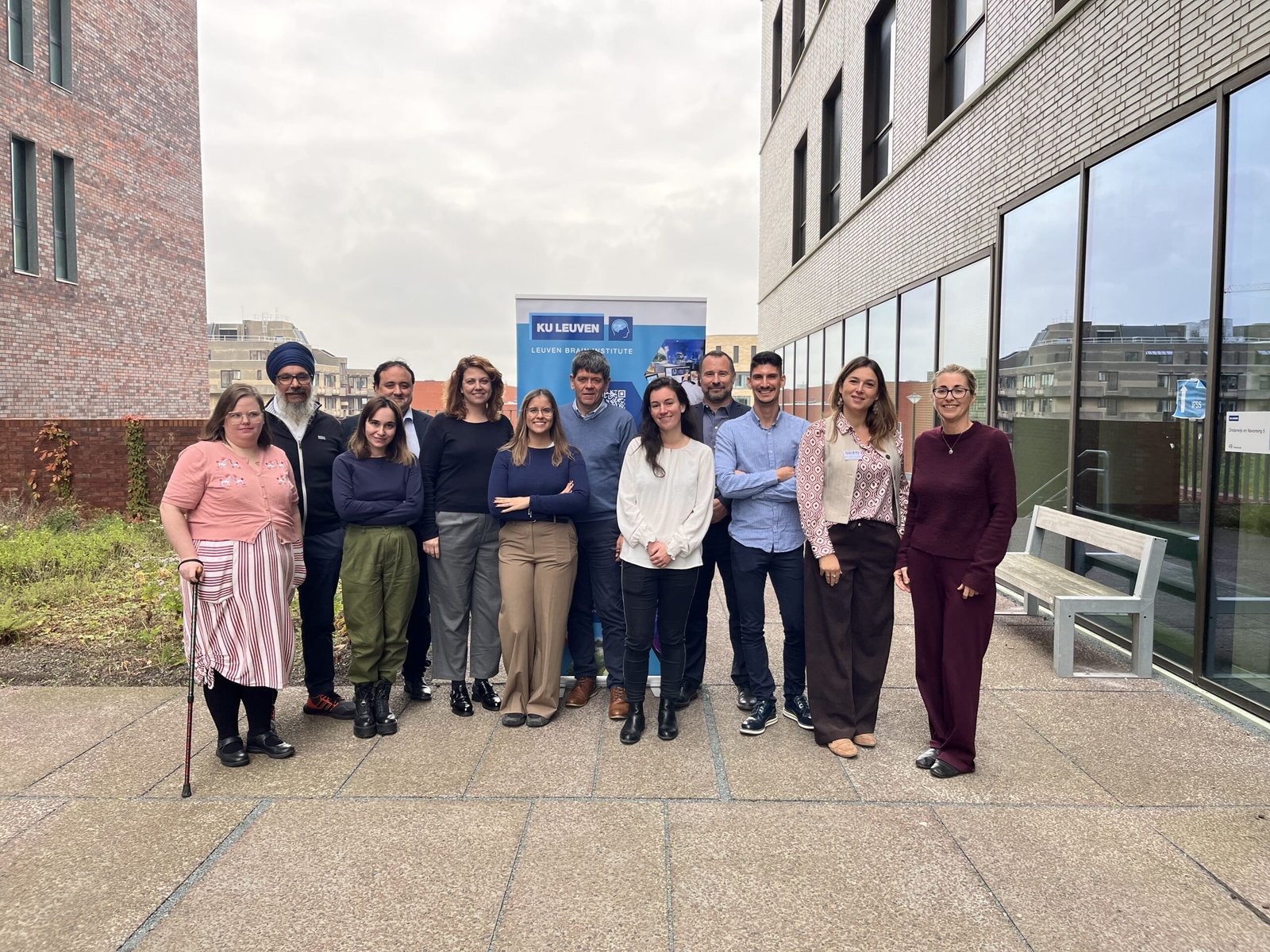
In October 2025, EARA and KU Leuven, EARA member in Belgium, hosted a Patient Discovery Day in collaboration with the European Federation of Neurological Associations (EFNA), bringing together patient representatives from across Europe to explore the role of animal research in neurodegenerative disease research.
The programme included:
– Presentations on research about brain diseases, including neurodegeneration, animal research regulation and welfare
– Visits to research groups using fruit flies, mice and macaque monkeys at different stages of preclinical research
– Visit to imaging facilities developing biomarkers for diagnosis and therapy monitoring
The day concluded with an open Q&A session, reinforcing transparency, trust and dialogue between patients and researchers.
After the visit:
– 75% participants said their views on animal research changed
– 75% reported confidence in animal welfare practices
– 100% recognised the medical impact
– 100% supported institutional transparency
2024
Diabetes
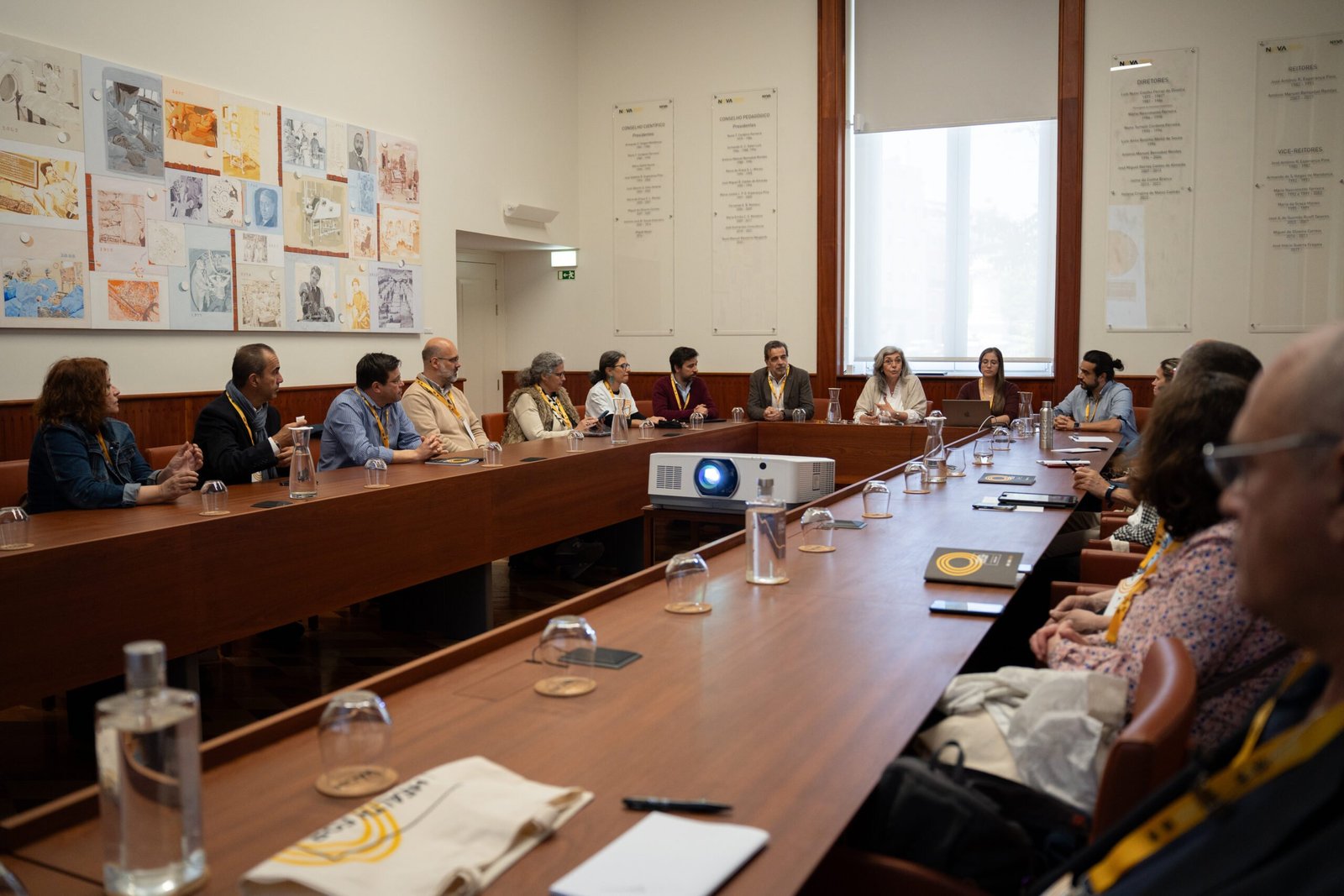
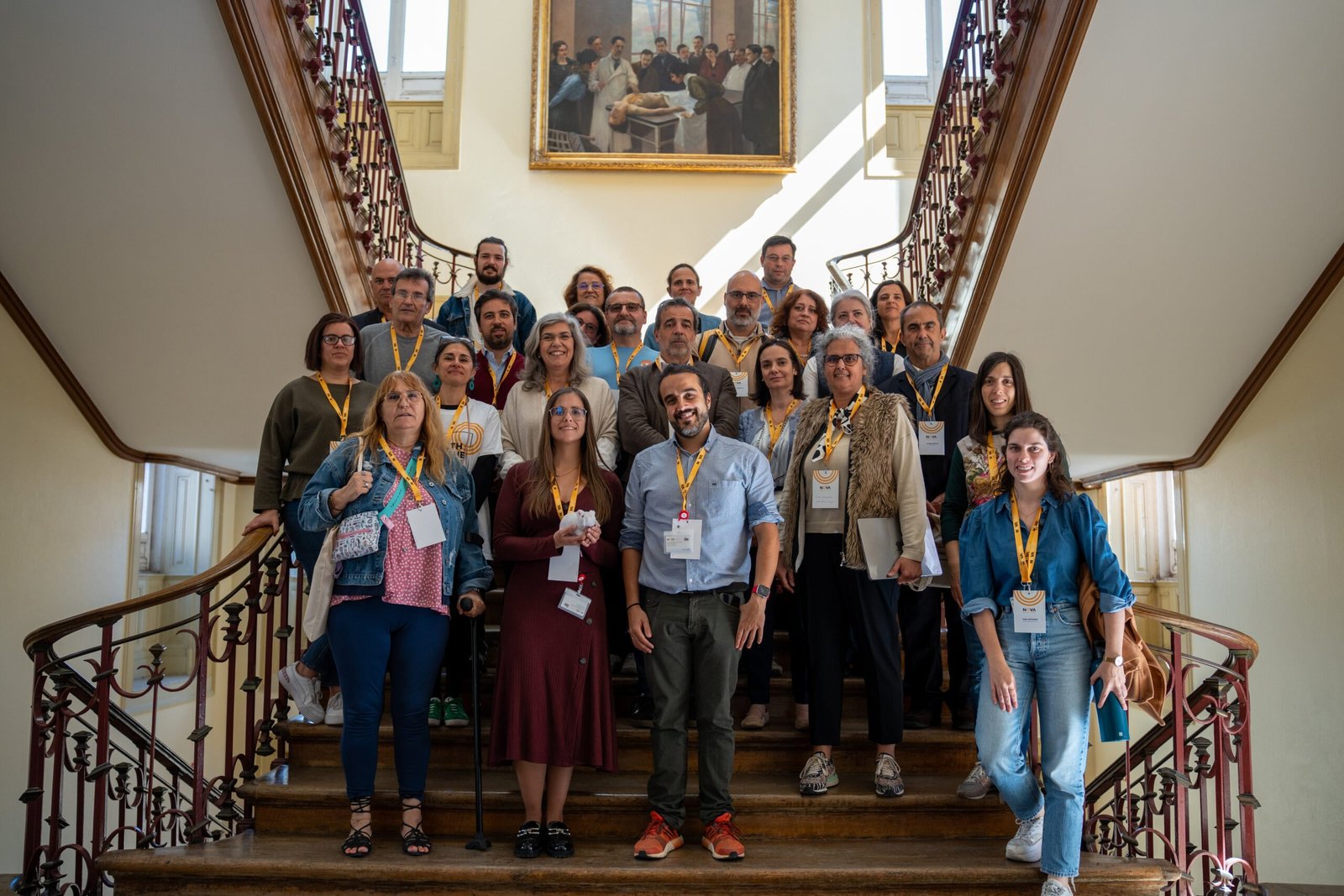
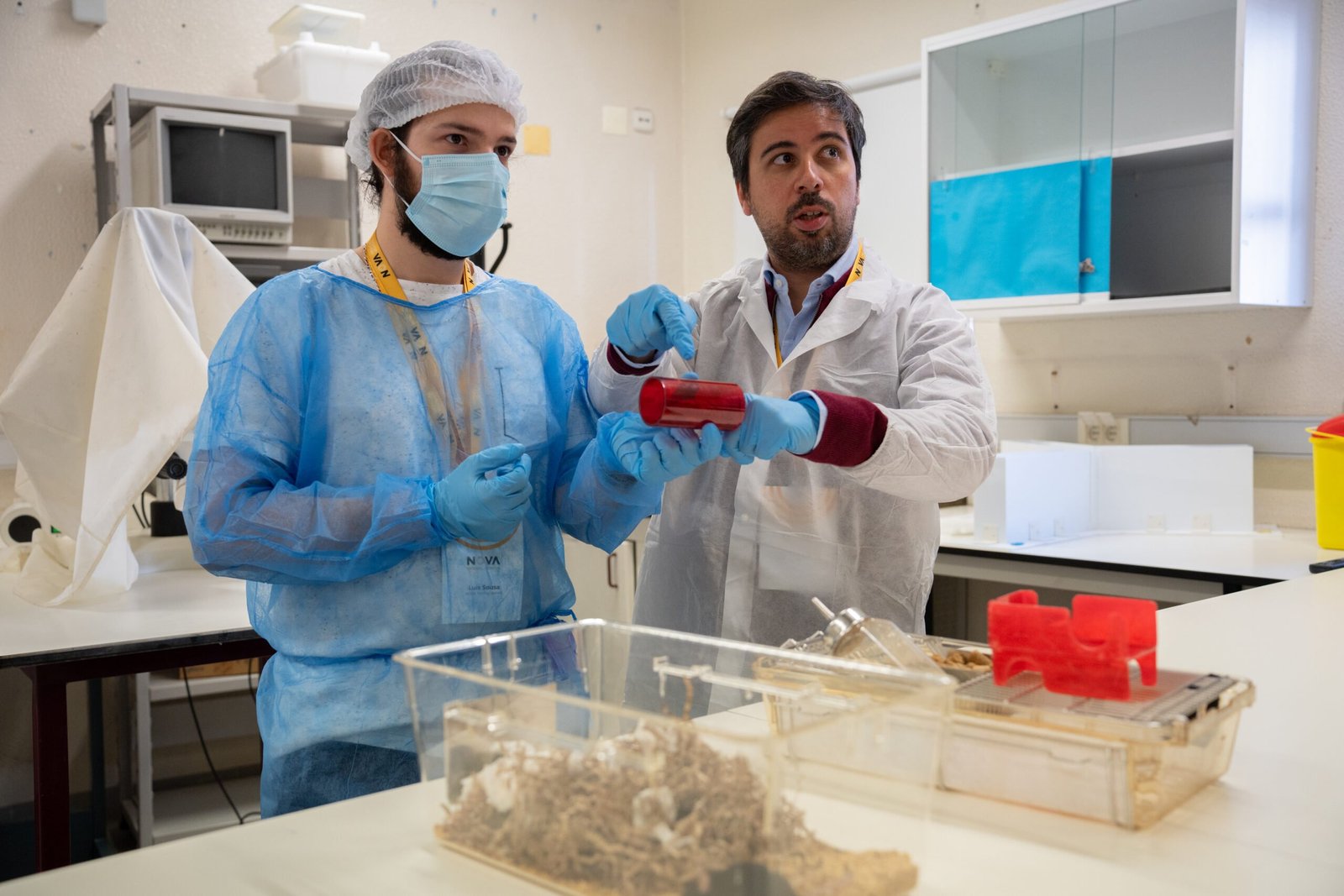
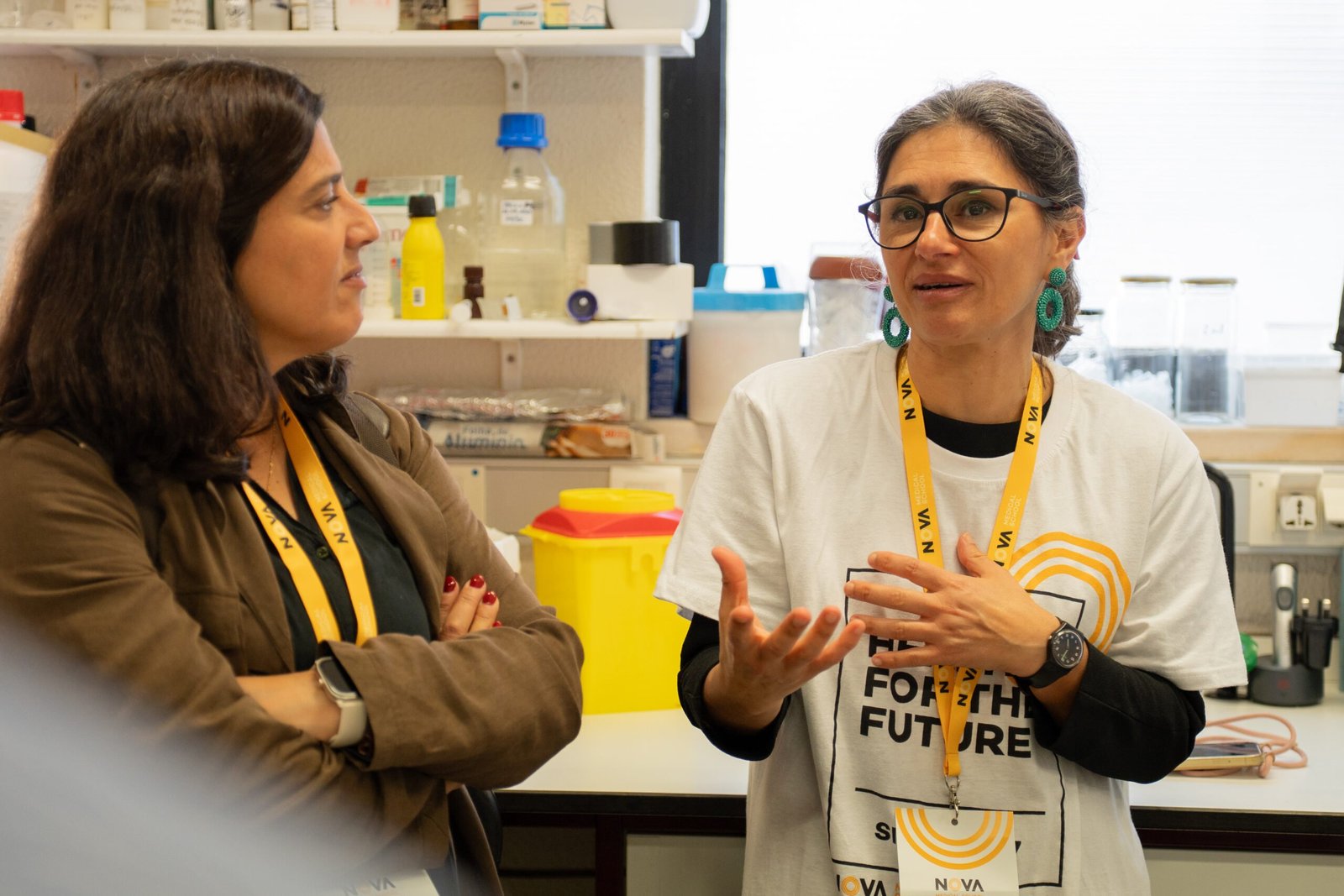
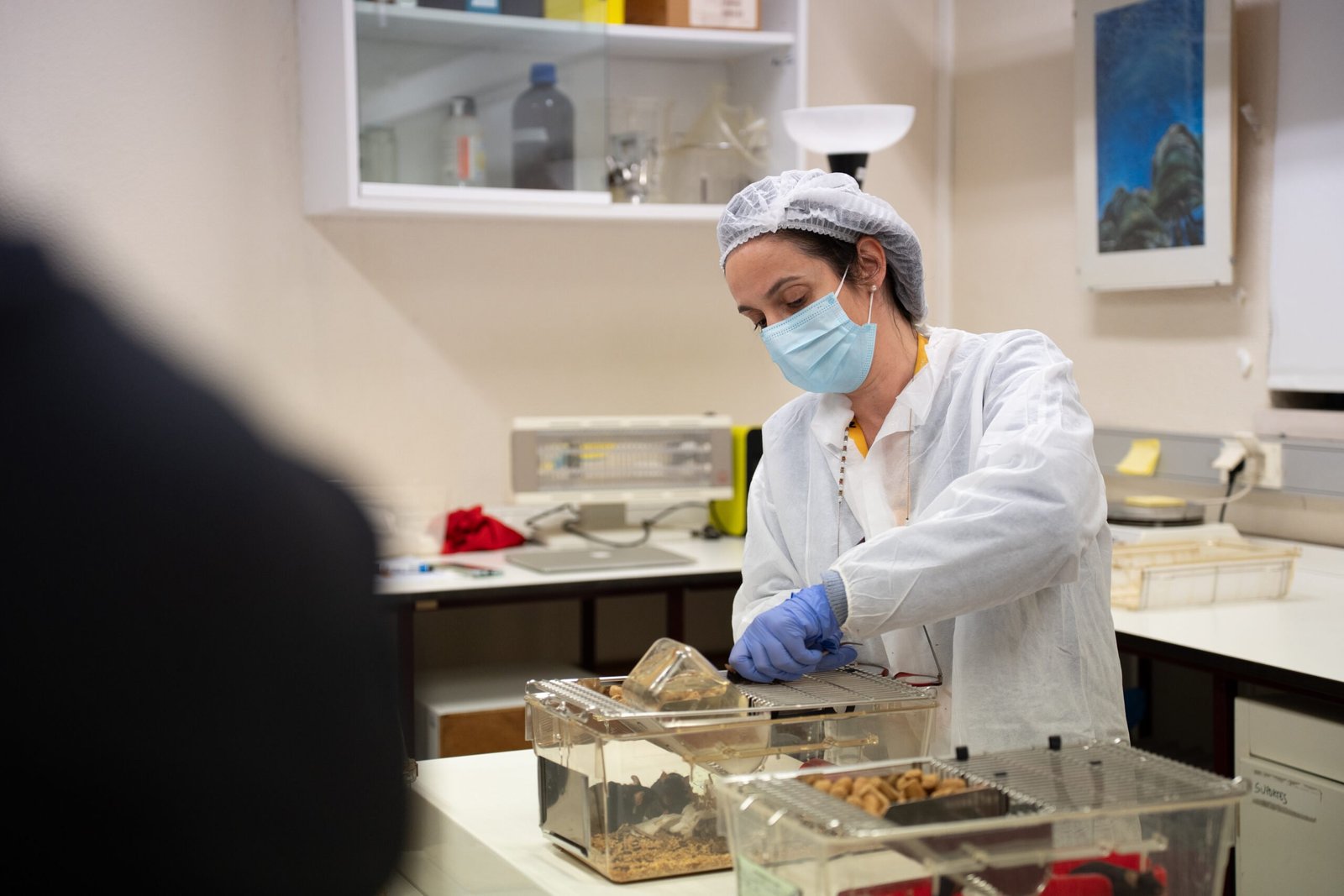
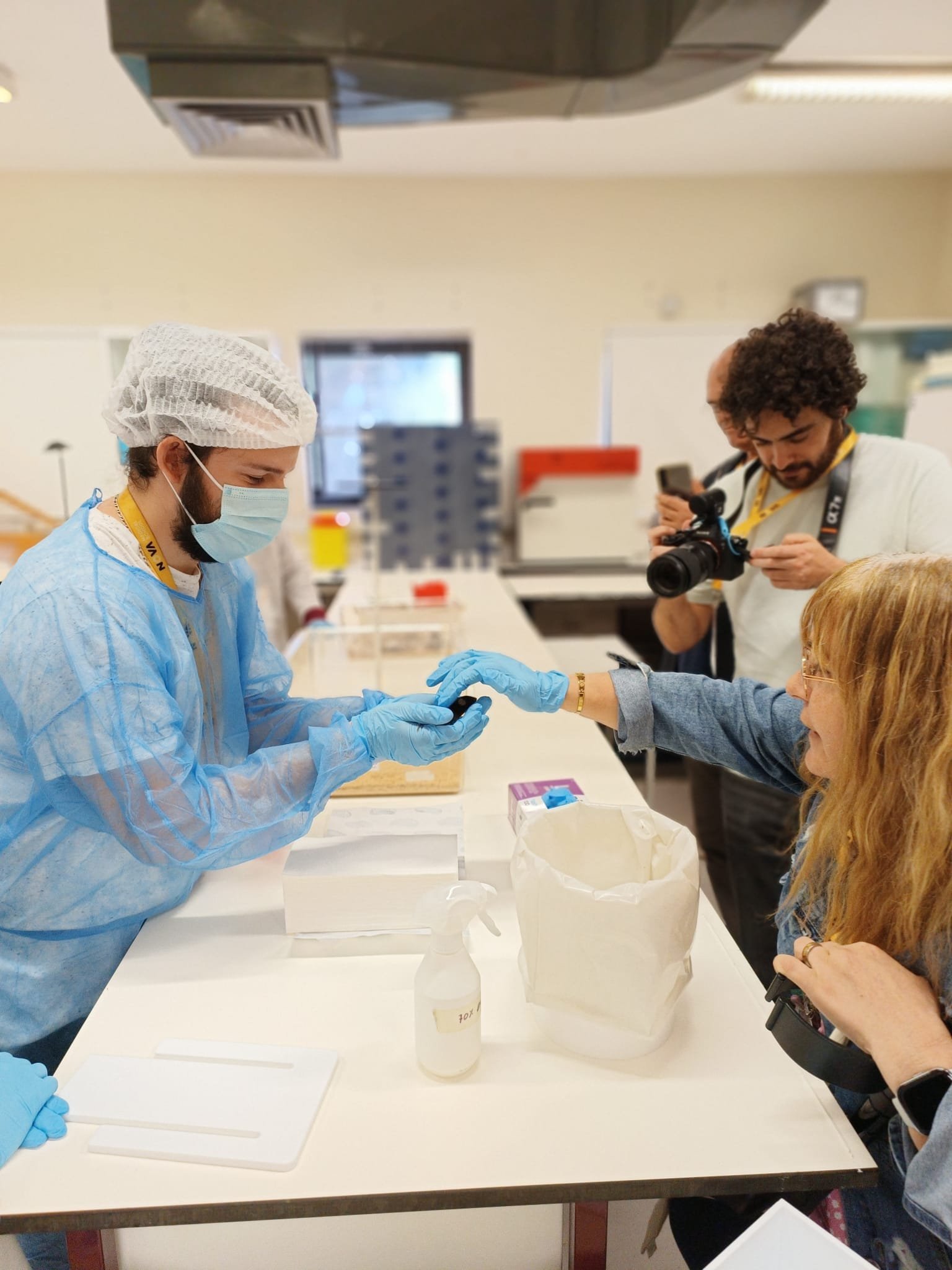
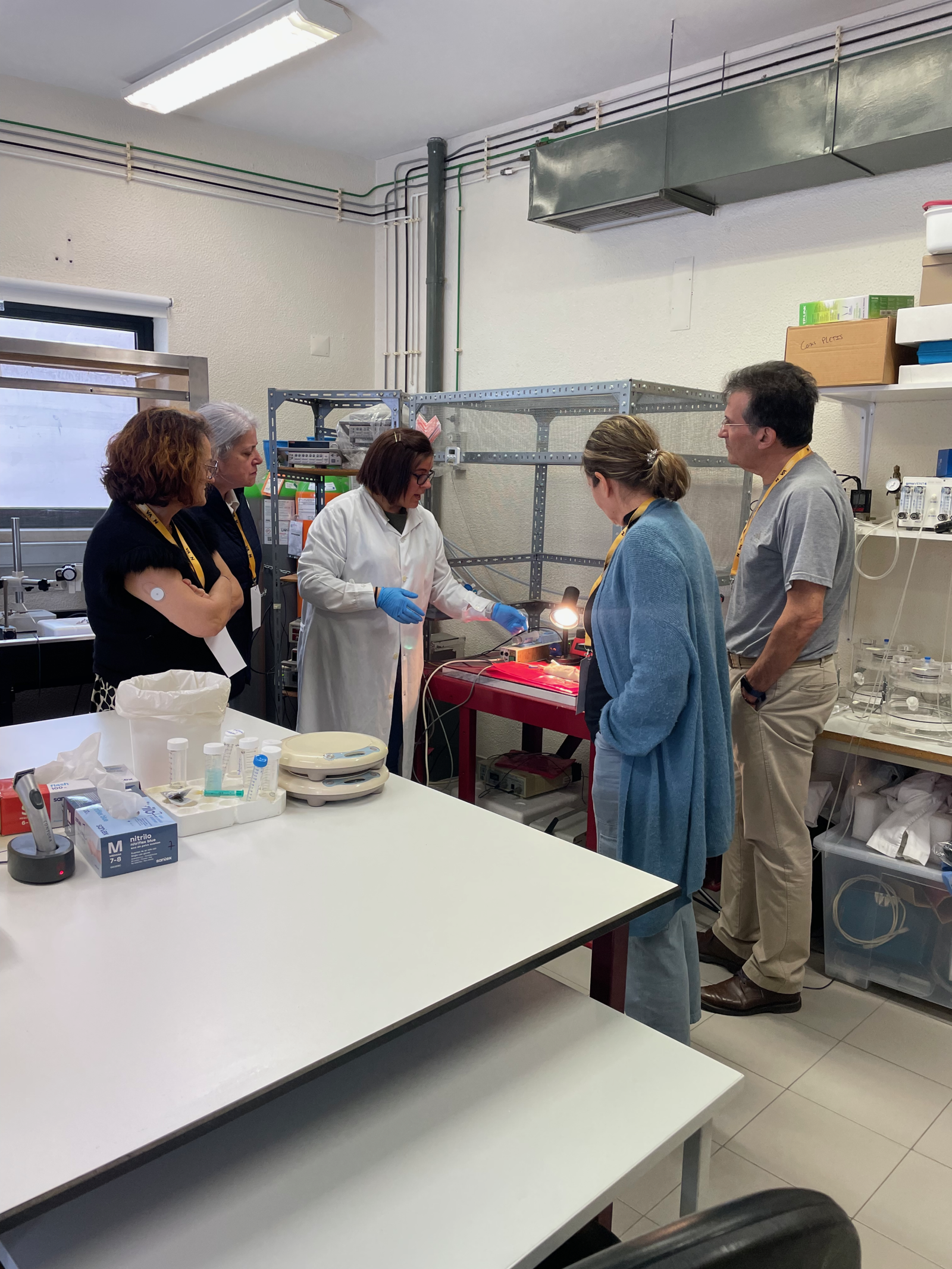
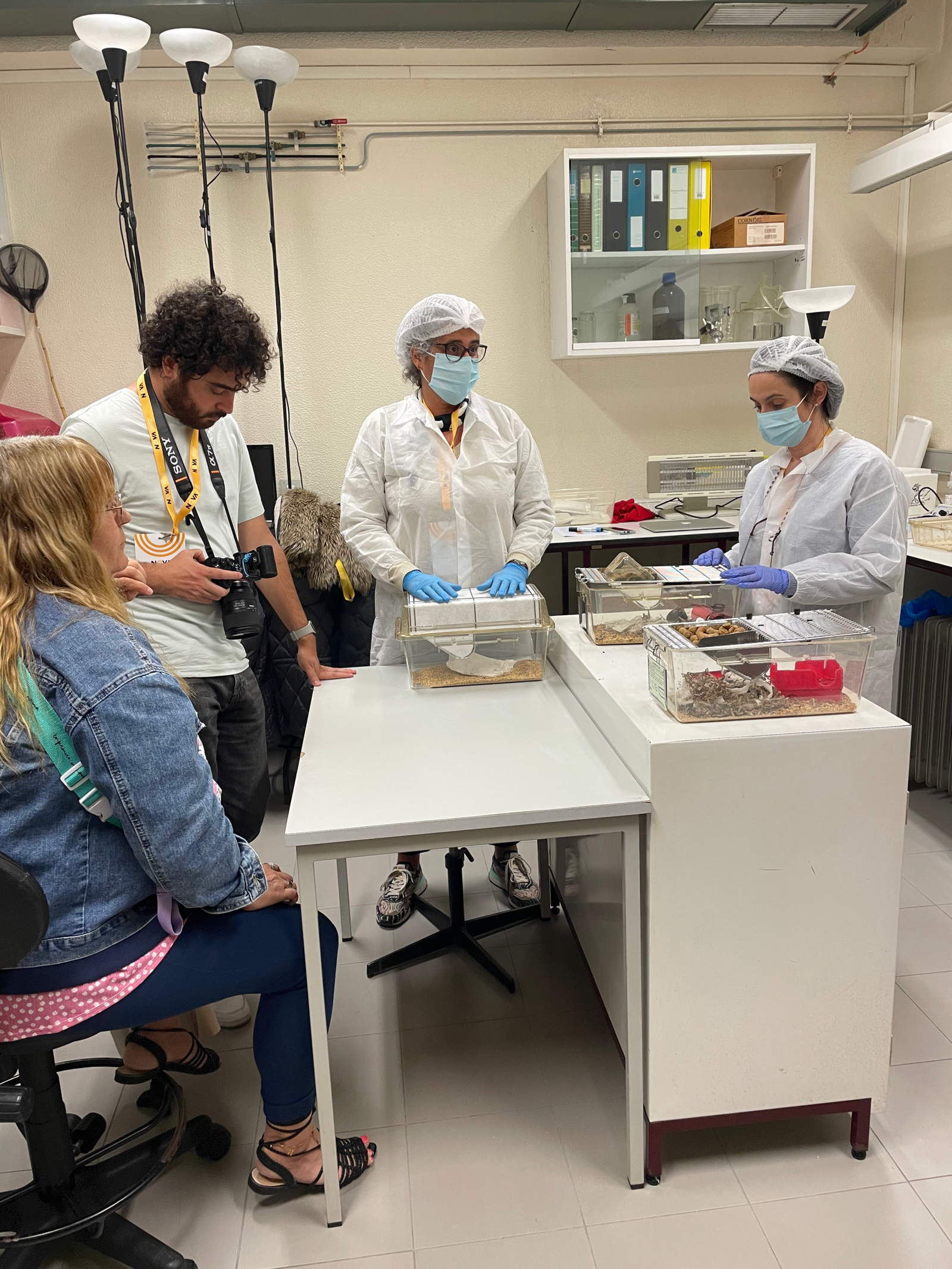
People living with diabetes together with representatives of the Portuguese Diabetic Association/APDP, visited the NOVA Medical School, EARA member in Lisbon, to experience at first hand the research studies on diabetes at NOVA and particularly the crucial role of animals, such as mice and rats, in understanding the disease and developing new therapies and future treatments. Participants heard about the ongoing studies on type 2 diabetes and engaged in a discussion with researchers and physicians where they shared their concerns and experiences about the disease, contributing new perspectives to the research process with insights that researchers might not be aware of.
Participants:
– Learned how mice and rats are used to study blood glucose regulation, memory changes and metabolic processes associated with diabetes
– Observed blood glucose monitoring procedures comparable to human finger-prick tests
– Observed more advanced procedures, including surgery under full anaesthesia, which were explained in detail, with emphasis on animal welfare, pain management and ethical oversight
– Discussed research questions directly with scientists and physicians, sharing personal experiences that informed research perspectives
After the visit:
– 83% highlighted the high relevance and quality of the visit
– 92% of participants reported their knowledge of animal research increased
– 92% of participants felt comfort and trust
– 92% of participants strongly supported public understanding of animal research
2023
Parkinson’s
The Patient Discovery Project was launched in the Netherlands in 2023, at the EARA member Radboud University, where participants learned about the vital contribution of mice and rats in studying Parkinson’s disease.
Participants took part in the Toolkit to Understand Parkinson’s Disease, learning about the various research methods using mice and rats at Radboud University Medical Centre, followed by a visit to different research facilities.
The programme included visits to:
– Cell culture laboratories exploring neuronal and stem cell techniques
– Biochemical laboratories analysing Parkinson’s patients’ samples
– Animal facilities showcasing behavioural and imaging studies in mice and rats
After the visit:
– 90% of participants reported high satisfaction
– 75% said they had an improved understanding of Parkinson’s research
BlabkaAnimals can suffer from many of the same conditions as humans, such as cancer, heart disease, epilepsy and infectious diseases.
BlabkaAnimals can suffer from many of the same conditions as humans, such as cancer, heart disease, epilepsy and infectious diseases.
Animals can suffer from many of the same conditions as humans, such as cancer, heart disease, epilepsy and infectious diseases.